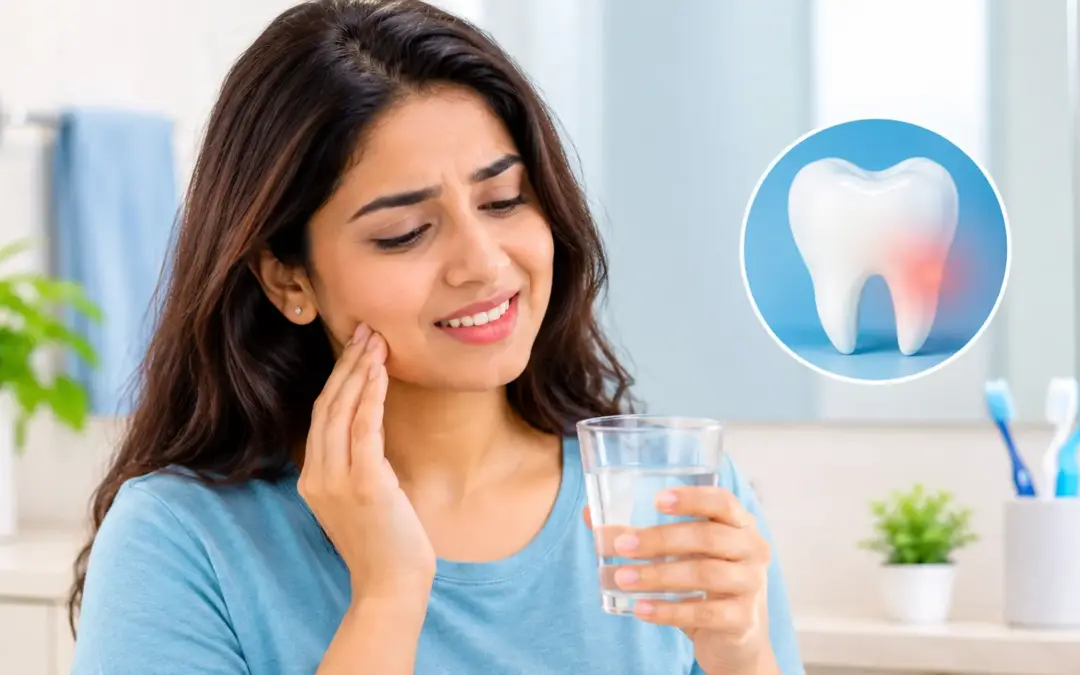
Most sensitivity after a whitening session can be managed at home, and it usually settles within a few days. Swap to a toothpaste made for sensitive teeth, drink things lukewarm, and give your teeth a rest before the next session. Teeth sensitivity after whitening comes from the peroxide in the gel, which works its way through the tooth and irritates the nerve for a short time. Usually a nuisance, not damage. But pain that’s severe, or that doesn’t fade, needs a dentist’s look.
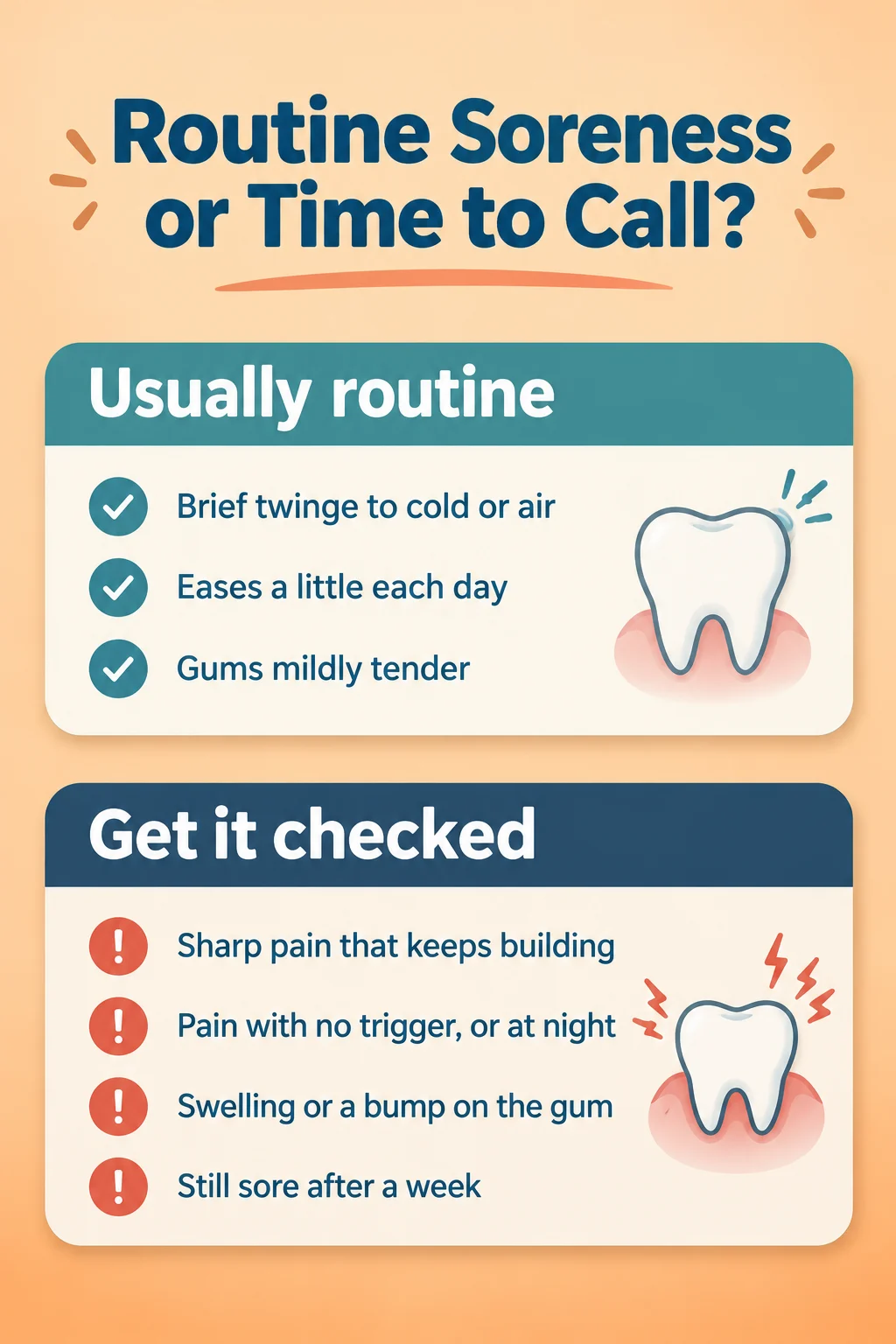
According to Dr. Uttkarsh Shah at The Smile Connect, a Dental Clinic In Kandivali, Mumbai, “Sensitivity after whitening is the nerve reacting to the gel, and it usually calms down within a few days. Gentle care during that stretch helps. Sharp pain that keeps building, or that lasts well beyond a week, isn’t routine and should be examined.”
Why Does Teeth Sensitivity After Whitening Happen?
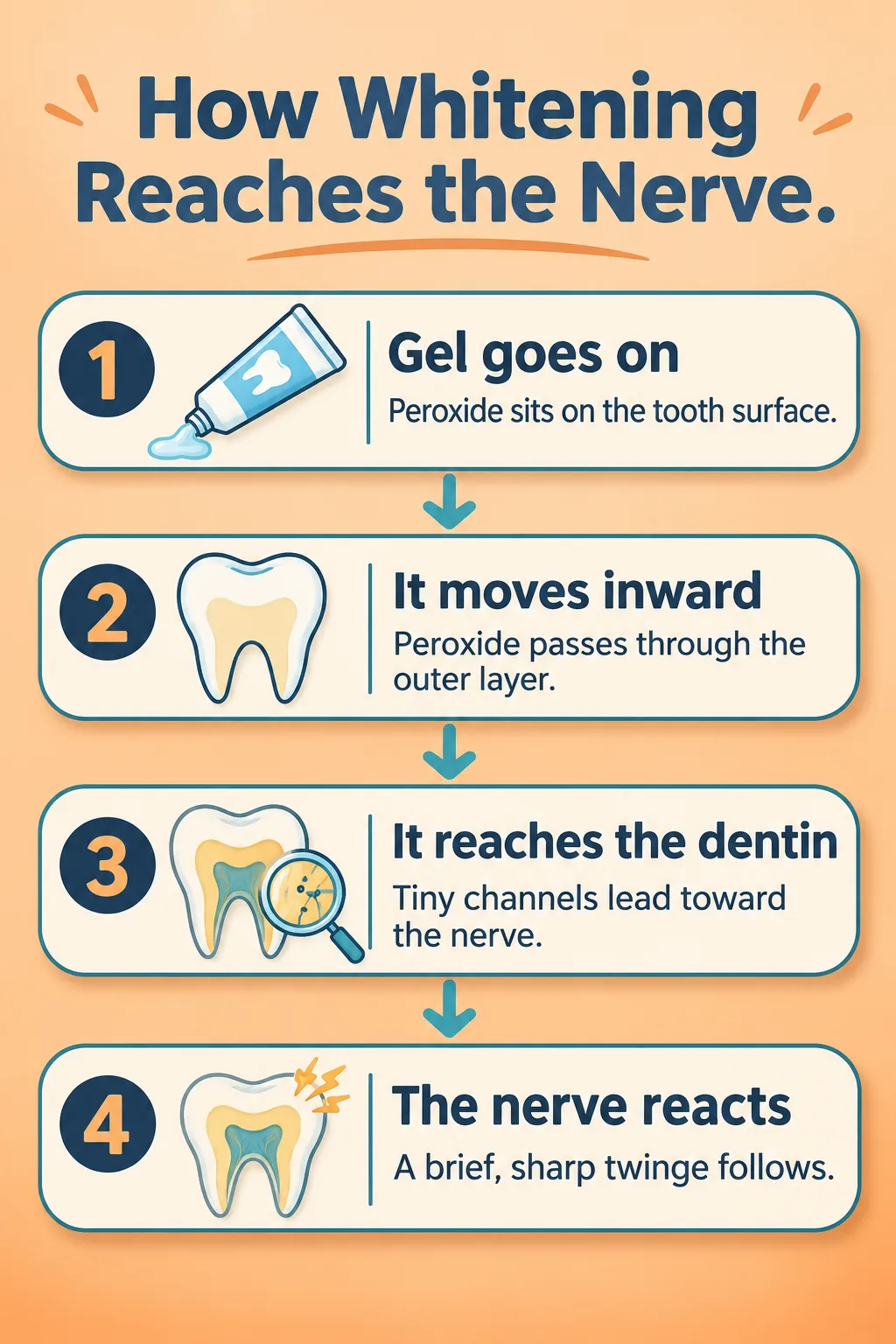
Whitening gel doesn’t stay on the surface. Peroxide moves through the enamel and the dentin beneath it toward the nerve, and the nerve can react for a short while. Common, and usually harmless. Some teeth react far more than others, though.
- Thin or worn enamel: There’s less of a barrier between the gel and the nerve, so peroxide gets through faster. Teeth with worn biting edges often react first.
- Receded gums: Where the gum has pulled back, the root is exposed and there’s no hard outer shell over it. The gel reaches the dentin straight away, which is why these spots tend to sting first.
- Dried-out teeth: Whitening gel draws a little moisture out of the tooth, and for a few hours it feels more exposed than usual. Cold air or a cold drink can then hit a nerve that’s already on edge.
- Cracks and leaky fillings: If there’s a hairline crack, or a small gap around an old filling, the gel can slip in there and get close to the nerve quickly. You’d notice a sharper zing in that one tooth.
It’s worth having these checked before you start, as part of planning teeth whitening properly.
How Long Does Sensitivity Last After Whitening?
For most people it fades in a day or two, and by the end of a week it’s mostly gone. A range, really, not a fixed number. Oddly enough, many people feel nothing during the session and get the first proper zing from a glass of cold water later that day.
Time after whitening | What it usually feels like | Worth knowing |
First 24 hours | Strongest twinges, mostly to cold air and drinks | The peak comes right after treatment, then it drops |
Days 2 to 3 | Easing, comes and goes | Often only noticed with something cold |
Days 4 to 7 | Mild, or gone | One trial found scores back near baseline by day 7 |
After a week | Not what’s expected | Worth a dental check, as a cavity, crack or gum problem can sit behind it |
- Whitening method: In-office sessions tend to bring a sharper flare soon after, while take-home trays spread milder sensitivity over the days you wear them.
- Starting point: If your teeth were already touchy, or the enamel is thin and the gums have receded, expect it to take a bit longer to settle.
- Hidden problems: A small cavity, a crack, or a worn filling can keep the pain going beyond the usual window. Whitening didn’t cause it, it just made it noticeable.
- Carrying on regardless: Keep wearing the trays every day while your teeth are still sore and the nerve never gets a chance to settle. A few days off often makes a real difference.
What sets off twinges to hot and cold in general is covered in this related read on tooth sensitivity.
Is the sharp twinge you feel after whitening a routine reaction, or something worth getting checked?
How Can You Reduce Sensitivity After Whitening?
So the practical answer on how to reduce sensitivity after whitening is to calm the nerve and avoid provoking it again. Simple steps, mostly, and usually enough.
- Desensitizing toothpaste: Use one with potassium nitrate or fluoride twice a day, and start a few days before whitening if you can. In a review of 24 studies, potassium nitrate lowered the risk and the intensity of sensitivity a little, so it helps, but it won’t make the problem vanish.
- Temperature and food: For the first day or two, keep drinks lukewarm, go easy on citrus and fizzy drinks, and brush gently with a soft brush. A cold drink straight from the fridge is the usual culprit.
- Dentist-guided adjustments: Before the next round, a dentist can lower the gel strength, shorten the wear time, or add a desensitizing gel to the trays. Those changes are worth asking about rather than guessing at home.
- Short-term pain relief: An over-the-counter tablet such as paracetamol or ibuprofen is commonly taken for a day or two. No single painkiller suits everyone, so read the label and check with a pharmacist if you’re on other medicines or have stomach, kidney, liver or asthma problems. It dulls the ache without fixing the cause, and aspirin should never be pressed against the gum, since it can burn the tissue.
Pain strong enough that medicine barely touches it, or anything lasting beyond a week, isn’t routine sensitivity and needs a dentist’s exam. How often touch-ups are usually needed is covered in this read on whitening results.
Key Takeaways:
Sensitivity after whitening is common, and for most people it eases within a few days and is mostly gone by the end of the first week. A desensitizing toothpaste, lukewarm food and drink, and a pause between sessions are the usual first steps, with a short course of over-the-counter pain relief if needed. Pain that is severe, keeps building, or lasts past a week isn’t routine and should be examined by a dentist.
FAQs
How long will sensitivity last after whitening?
Often a day or two, and rarely beyond a week.
What’s the quickest way to reduce tooth sensitivity?
Use a desensitizing toothpaste, drink lukewarm, and skip whitening until it settles.
What medicine helps with sensitive teeth after whitening?
Over-the-counter pain relievers can ease it briefly; follow the label or ask a pharmacist.
Is unbearable pain after teeth whitening something to worry about?
Yes. Pain that’s severe or getting worse needs a dentist’s exam soon.
References
Disclaimer: This blog is for educational and informational purposes only and should not be considered professional advice.