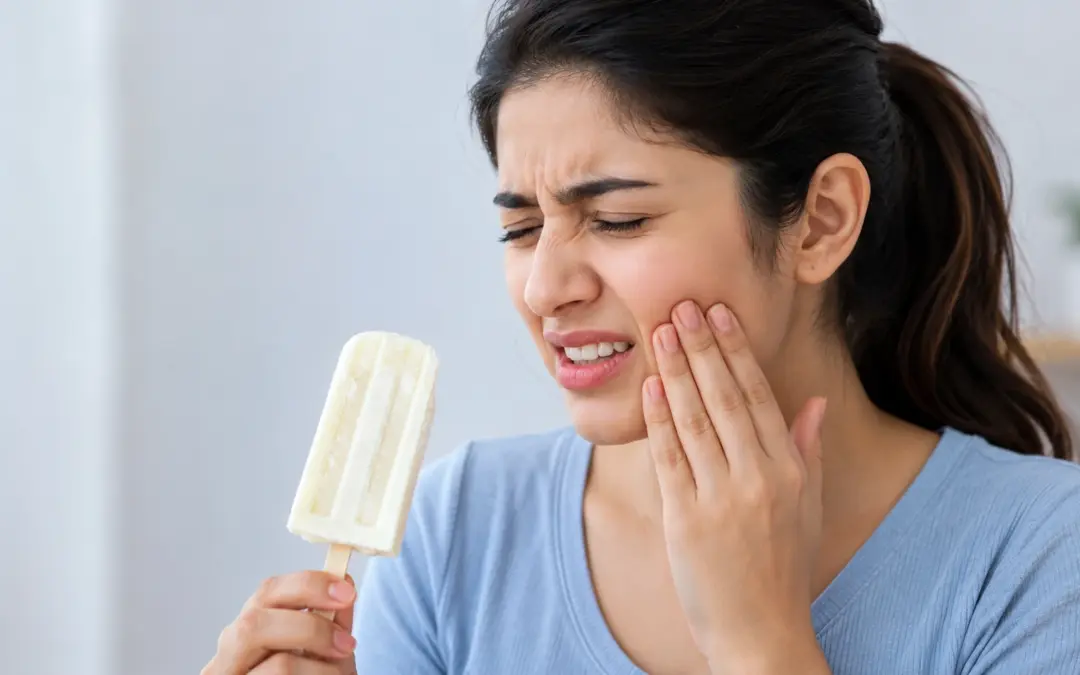
Tooth sensitivity to hot and cold happens when enamel wears thin or gums pull back and expose dentin, the layer underneath that’s wired straight to the nerve. Worn enamel and receding gums cause most of it. Cavities, brushing too hard, nighttime grinding, a recent whitening session, too much acidic food, any of these can be the actual reason, and honestly it’s often not just one.
According to Dr. Uttkarsh Shah at The Smile Connect, a Dental Clinic In Kandivali, Mumbai, “Most people worry the first time cold water makes them wince. Nine times out of ten it’s just exposed dentin reacting normally. What worries me more is pain that hangs around after the hot or cold’s long gone.”
What Causes Tooth Sensitivity?
Sensitivity a symptom. Not a diagnosis. So figuring out what’s actually driving it means an actual look inside the mouth.
Enamel wear happens slowly, acidic drinks and rough brushing wearing the surface down bit by bit until dentin’s sitting right there exposed, tubules and all, leading straight to the nerve.
- Gum recession. once the gum pulls back off the root, there’s no enamel left covering it at all, so even a breeze of cold air can set off a jolt.
- Cavities and cracks do similar damage from different angles, decay eating through from the outside while a crack lets temperature straight through to the nerve underneath.
- Grinding at night is the sneaky one. Most people don’t even know they clench until a dentist points out the wear pattern, sometimes years after it started.
Whitening and a stiff toothbrush used too aggressively can trigger it as well, though that kind tends to fade on its own within days. Once wear or a crack goes past what filling can patch, a dental crown usually ends up being the actual fix.
How Is Tooth Sensitivity Treated?
There’s no single fix. What works for one mouth might do nothing for the next, which is annoying but true.
- Desensitizing toothpaste blocks the tubules in dentin with consistent use, though it takes a couple weeks to kick in, not an overnight thing.
- Fluoride treatment. done in-office, this strengthens enamel and seals up exposed dentin quicker than any toothpaste sitting in your bathroom cabinet.
- Filling or bonding covers the exposed area with tooth-colored material, so the nerve stops getting hit by every temperature change directly.
- Root canal, when it’s severe: if the nerve itself is inflamed or too far gone, a root canal treatment takes the pain source out entirely instead of managing around it forever.
A softer brush and cutting back on acidic drinks keep it from coming back once treated. Worth mentioning, sensitivity that shows up after a filling specifically follows its own timeline, covered in this related read on sensitivity after fillings.
Wincing every time you sip something hot or bite into ice cream?
Why Choose The Smile Connect Clinic?
Patients choose The Smile Connect when over-the-counter toothpaste hasn’t touched the sensitivity and they want the actual cause found. Dr. Uttkarsh Shah, a prosthodontist and implantologist, works alongside Dr. Mansi Shah to check for worn enamel, gum recession, cracks or decay before recommending treatment, not just another desensitizing rinse. Fluoride therapy, bonding, and root canal care, all under one roof, so the source gets addressed without shuffling between specialists.
Wincing through every cup of tea gets old fast. It’s worth a look before you give up hot drinks altogether. Walk-ins are fine on weekday evenings, weekends run by appointment, and emergency calls get picked up the same day.
FAQs
Does tooth sensitivity go away on its own?
Sometimes, if it’s mild and temporary, but persistent sensitivity usually needs treatment.
Is sensitivity to cold worse than heat?
It varies by person, though cold sensitivity tends to be more common overall.
Can whitening cause tooth sensitivity?
Yes, it’s a common temporary side effect that usually fades within a few days.
Should I stop brushing if my teeth feel sensitive?
No, switch to a softer brush and gentler technique instead of stopping.
Disclaimer: This article is for general informational purposes only and does not substitute professional dental advice, diagnosis, or treatment. Please consult a qualified dentist for concerns specific to your condition.