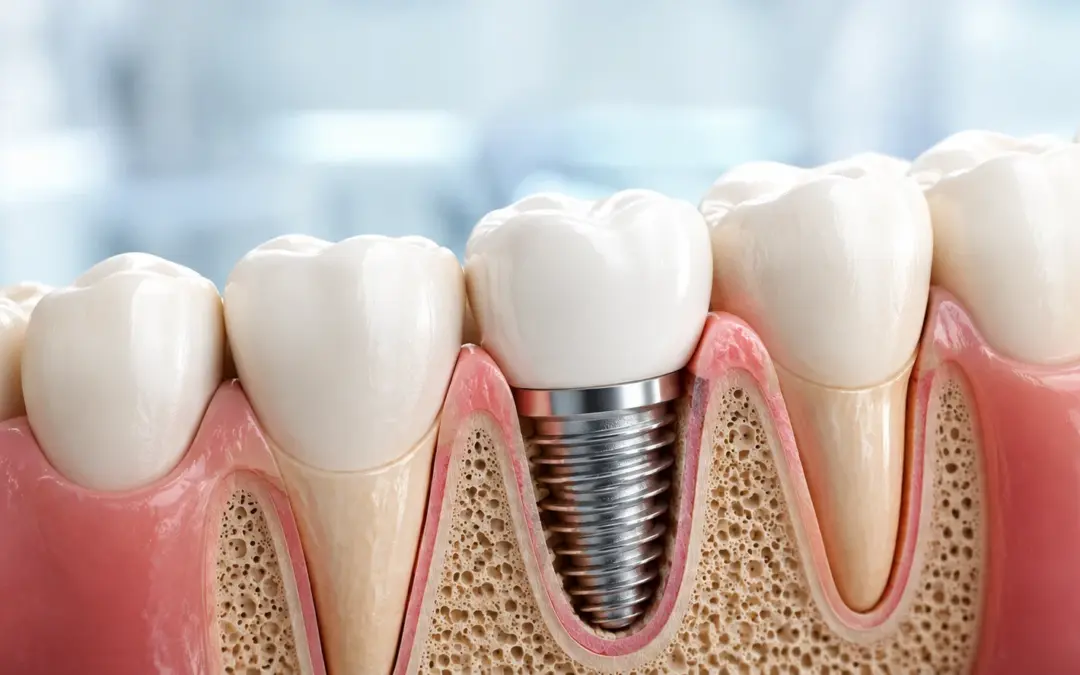
Full healing after a dental implant generally falls between three and six months, though that’s the range, not a fixed date. The bone needs that time to lock onto the implant properly before it can safely carry a crown. But the recovery a patient actually feels, the swelling, the soreness, the diet changes, wraps up much sooner than that. So the timeline really has two parts: how you feel, and what’s happening underneath, and they don’t move at the same speed.
According to Dr. Uttkarsh Shah at The Smile Connect, a Dental Clinic In Kandivali, Mumbai, “Patients think healing means feeling normal again. That happens in a week or two. Full healing, the kind where the implant’s actually ready to load, takes months, not days. Rushing that part is where problems start.”
What Happens During Each Stage of Implant Recovery?
Recovery isn’t a single, uninterrupted stretch of discomfort. It moves through fairly distinct phases, each with its own concerns.
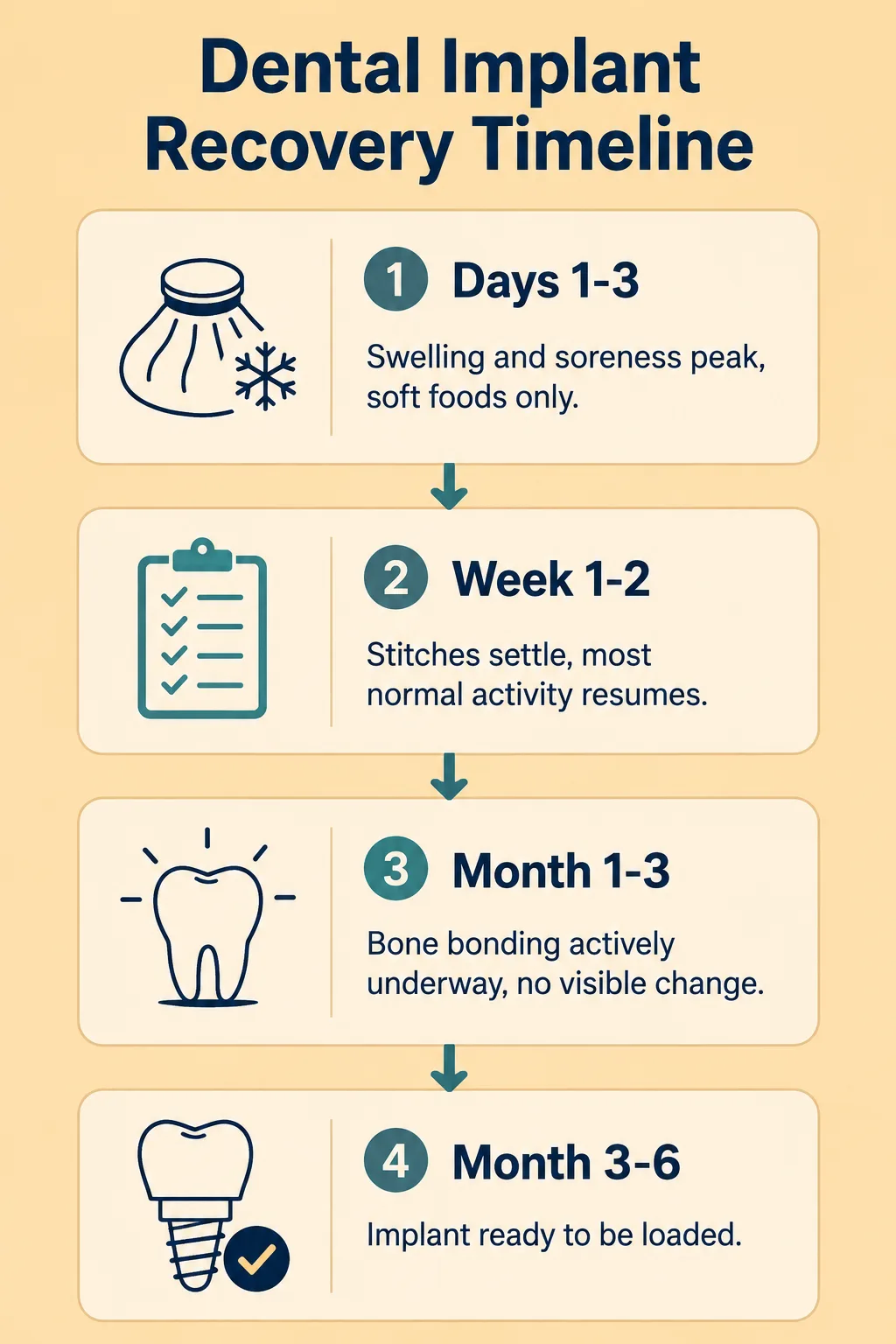
That first stretch matters more than most patients expect. Swelling and mild bruising usually peak around day two or three, not right after surgery like people assume. Soft foods help. So do cold compresses, and chewing on the other side for a bit. Give it about two weeks, and most people are back to their usual routine. But the site still feels a little different to the tongue for a while after that. Here’s the part that trips people up: feeling fine doesn’t mean the implant’s ready. Bone bonding keeps happening underneath, quietly, long after everything looks and feels normal on the surface.
Not sure where your own case falls on that timeline? A dental implants review can lay out realistic expectations before surgery starts.
What Can Delay Implant Healing Longer Than Expected?
A handful of practical things stretch the timeline out. Most of them have nothing to do with the implant itself.
Skipped follow-up visits: A missed check-in lets small problems, a loose healing cap, for instance, go unnoticed until they’ve already set you back.
Smoking during healing: Blood flow to the site drops with even occasional smoking in this window. The healing pace slows right along with it.
Multiple implants at once: More sites being worked on usually means more swelling early on. Each one still heals properly, the first week or two is just rougher.
Poor hygiene near the site: Plaque collecting around a healing implant raises infection risk. And infection remains the quickest way to stall healing altogether.
The biology behind why timing matters this much is worth a look too. This related read on the osseointegration process breaks that part down.
Wondering what your own recovery timeline might realistically look like?
Why Choose The Smile Connect Clinic?
Patients choose The Smile Connect for Dr. Uttkarsh Shah’s attention to detail during healing checks, not just the surgery itself. With over 10 years in practice as a prosthodontist and implantologist, he works alongside Dr. Mansi Shah to catch small issues, a loose healing cap, early inflammation, before they turn into setbacks. Patients often mention how approachable he is about questions mid-recovery, and how closely follow-up visits actually get tracked instead of left to a generic six-month reminder.
Worried your recovery is taking longer than it should? That’s worth a quick check rather than waiting it out. Call +91 80976 18897 to book your consultation.
FAQs
How long does it take for an implant to fully heal?
Usually 3 to 6 months, though visible recovery wraps up much sooner.
When can normal activities resume after implant surgery?
Most people are back to their routine within one to two weeks.
Can smoking actually slow implant recovery down?
Yes, it cuts blood flow to the site and delays healing noticeably.
Does getting several implants at once change the recovery timeline?
Yes, more surgical sites usually bring more swelling and initial discomfort.
Disclaimer: This article is for general informational purposes only and does not substitute professional dental advice, diagnosis, or treatment. Please consult a qualified dentist for concerns specific to your condition.