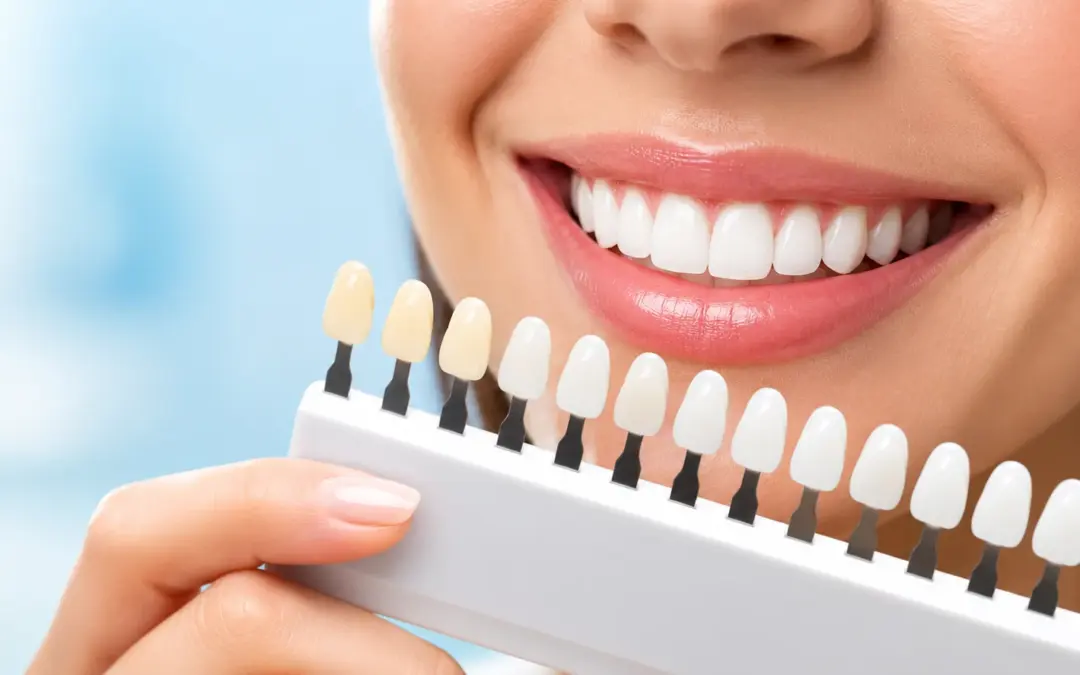
Most whitening results hold somewhere between six months and two years, and the range is wide for a reason. The type of treatment matters, sure, but daily habits shift that number just as much. Stains don’t stay away permanently for anyone, whether the whitening was done professionally or with a drugstore kit, because the tooth surface keeps picking up pigment the moment treatment ends. So the real question isn’t whether results fade. It’s how fast, and why.
According to Dr. Uttkarsh Shah at The Smile Connect, a Dental Clinic In Kandivali, Mumbai, “Patients ask why whitening isn’t permanent, like something went wrong. Nothing went wrong. Teeth pick up stains constantly, that’s just how the surface works. The treatment resets the color, it doesn’t switch off staining altogether.”
Why Do Teeth Whitening Results Fade At All?
It isn’t really about the whitening wearing off. It’s about new stains building back on.
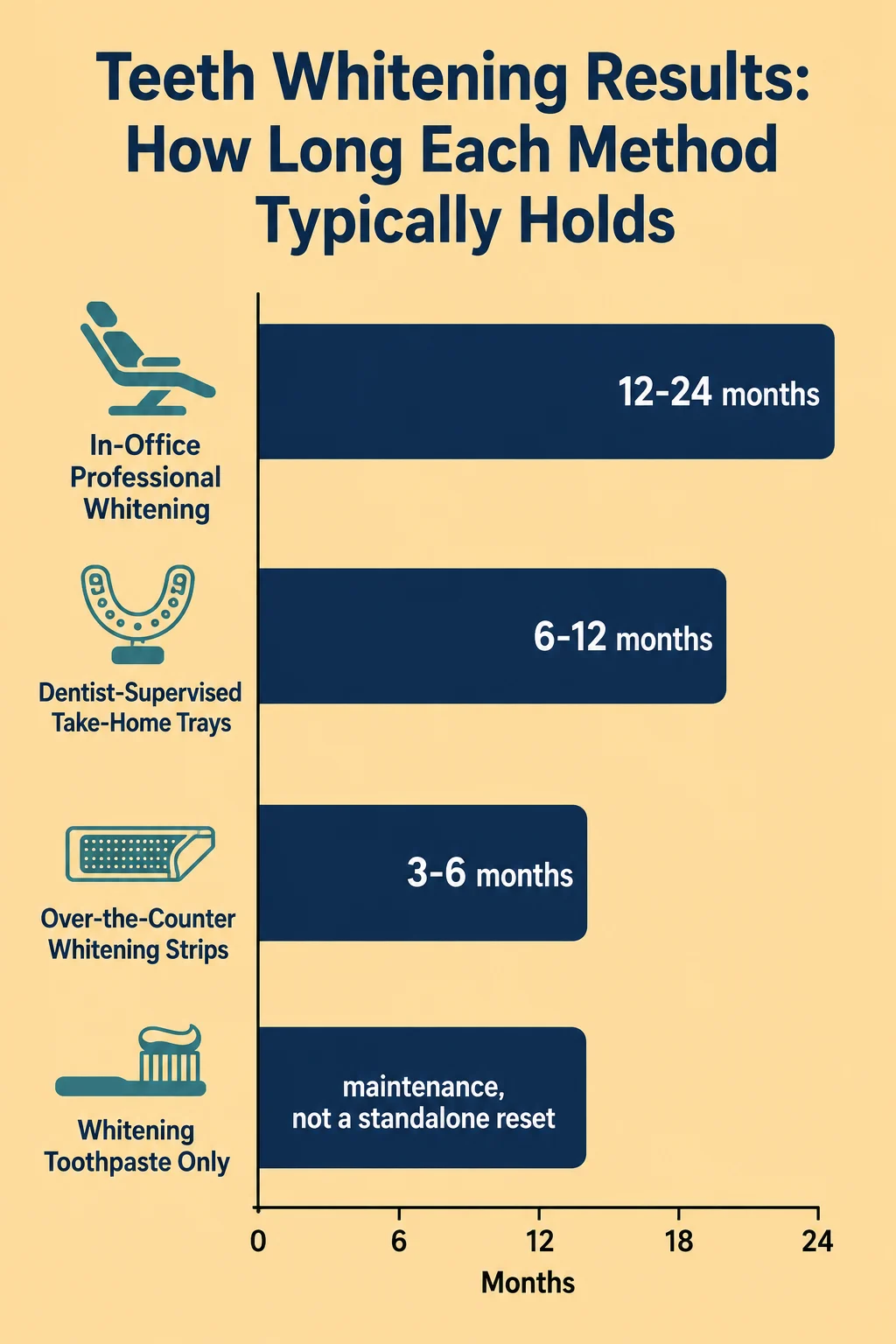
The mechanism behind that fading is worth understanding. Every tooth has a thin protein film called the pellicle, and it starts rebuilding on the enamel within minutes of a cleaning. Food, drink, and smoke leave pigmented compounds behind, and those settle into that film rather than the enamel itself. That’s the real reason the color drifts back slowly instead of all at once. Stains sitting on this surface layer, the extrinsic kind, respond well to a quick touch-up. Stains buried deeper in the dentin don’t behave the same way and won’t lighten back as easily.
Curious how your enamel type affects your own fading timeline? A teeth whitening consultation can map that out before you commit to a method.
What Habits Quietly Shorten or Stretch Whitening Results?
Some daily habits move the needle more than the treatment itself does. Most people never connect the two.
Saliva and hydration: A dry mouth loses its natural rinsing action, so pigment settles in faster. Staying hydrated actually helps here.
Brushing technique: Scrubbing too hard right after whitening roughens the enamel slightly. That rough surface then grabs onto stain more easily.
Straw use with dark drinks: A straw keeps coffee, tea, or wine from washing directly over the front teeth. Small habit, real difference.
Touch-up spacing: A single top-up tray every 6 to 12 months resets color far more efficiently than waiting until staining’s obvious again.
If safety and the treatment-type breakdown are what you’re after, this read on teeth whitening safety covers that side in detail.
Wondering why your last whitening faded faster than expected
Why Choose The Smile Connect Clinic?
Patients choose The Smile Connect when they want whitening results that actually hold, not just a bright smile for a week. Dr. Uttkarsh Shah, a prosthodontist and implantologist, works alongside Dr. Mansi Shah to match the whitening method to how a patient’s teeth stain in the first place, not a generic package. Cleaning, whitening, and scheduled touch-ups, all planned together, so fading gets managed instead of ignored until it’s obvious.
Tired of results that look great for a month and fade by three? A proper touch-up schedule fixes that more than any stronger gel would. Call +91 80976 18897 to book your consultation.
FAQs
On average, how long can you expect whitening to last?
Anywhere from 6 months to 2 years, depending on the treatment and daily habits.
If habits are good, why do results still fade eventually?
Because the pellicle on enamel naturally keeps collecting new pigment over time.
Do touch-ups extend teeth whitening results significantly?
Yes, a single tray every 6 to 12 months resets color efficiently.
Does drinking through a straw actually help whitening last longer?
Yes, it keeps pigmented drinks from sitting directly against front teeth.
Disclaimer: This article is for general informational purposes only and does not substitute professional dental advice, diagnosis, or treatment. Please consult a qualified dentist for concerns specific to your condition.