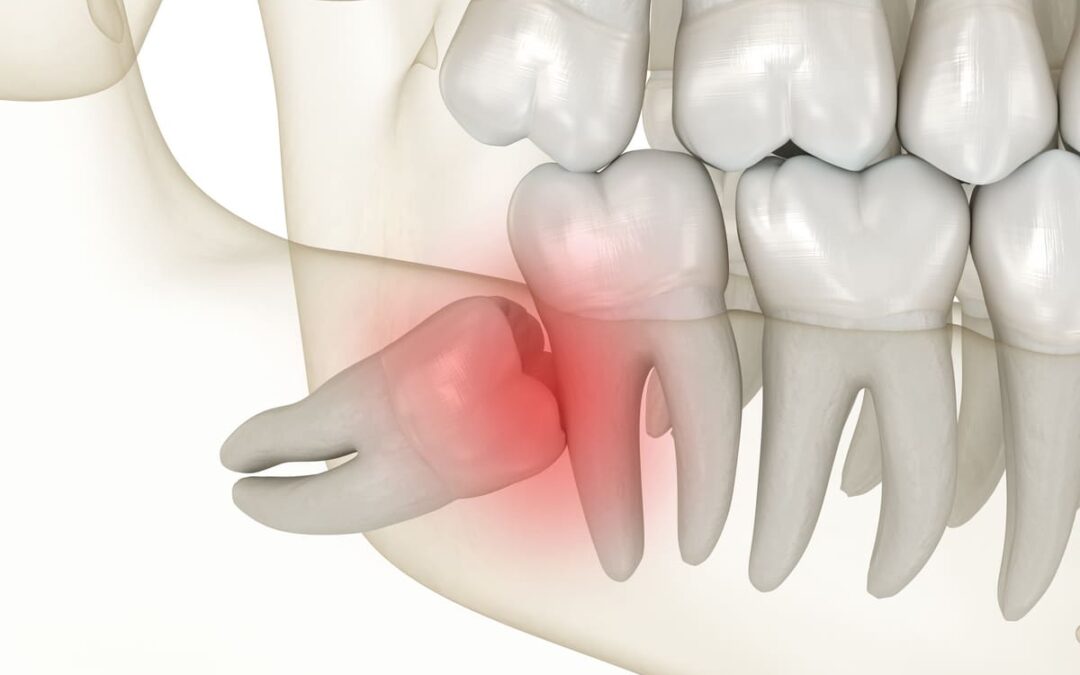
Yes, it’s safe to have your wisdom teeth out after 30. For adults it’s a routine procedure, done every single day. The one real difference from doing it at 18 is that by your thirties the roots are fully formed and the jawbone is denser, so the surgery can be a touch more involved and the healing might run a few days longer. That’s about it. Age on its own isn’t a reason to leave a problem tooth sitting where it is. If a wisdom tooth is impacted, decaying, or wrecking the tooth beside it, waiting only makes the job harder later.
According to Dr. Mansi Shah at The Smile Connect, a Dental Clinic In Kandivali, Mumbai, “I take out third molars from patients in their thirties and forties all the time. The roots are set, so it needs a bit more care, but the tooth comes out and heals just fine.”
Why Is It Trickier After 30?
It isn’t riskier. Just a little more work. A few things shift as you get older.
- Fuller roots: By your thirties the roots have finished forming and grip the bone harder, so the tooth needs more careful lifting to come free.
- Denser bone: Younger jawbone is spongy and gives a little. Older bone is firmer, which means the socket takes slightly longer to fill back in.
- Healing runs longer: Nothing dramatic. A day or two more of swelling and soft food than a teenager would put up with.
- Nerves sit close: Lower wisdom teeth run near a nerve. A scan beforehand maps exactly where, which is why the planning matters far more than the birthday on your file.
A proper tooth extraction in Kandivali starts with an X-ray to see the roots and the nerve before anything is touched.
When Should a Wisdom Tooth Come Out at This Age?
Not every wisdom tooth has to go. But some make the case all on their own.
- It’s impacted: Stuck under the gum or bone and pushing sideways. These rarely settle, and they usually cause trouble down the line.
- It keeps flaring up: A flap of gum over a half-erupted tooth traps food and swells, again and again.
- It’s rotting: Right at the back, hard to brush, so they decay quietly. A bad one can drag its neighbour down with it.
- It’s crowding: Steady pressure from behind can shove your other teeth out of line over the years.
Wisdom teeth are the exception here, since nothing replaces them once they’re gone. Most other teeth are worth saving, and pulling is the last resort rather than the first. If yours is aching but salvageable, root canal treatment is often the route that keeps the tooth.
Wisdom teeth removal after 30 may require specialized care and planning. Schedule a consultation with The smile connect for a personalized treatment approach.
Why Choose The Smile Connect Clinic?
Patients pick The Smile Connect for wisdom teeth because the planning happens before the chair, not during it. Dr. Mansi Shah, a dental surgeon, removes third molars for adults of every age, mapping the roots and nerve off a scan first so there are no surprises mid-procedure. Straightforward cases, impacted ones, and the nervous patients in between, all handled in one place.
Got a wisdom tooth flaring up? Don’t wait for it to get worse. Call +91 80976 18897 or drop in. Weekday evenings are open, weekends run on appointment, and emergencies get a same-day look.
FAQs
Is 35 too old to remove a wisdom tooth?
No. Adults well beyond 35 have them removed safely and routinely.
Does it hurt more to remove wisdom teeth as an adult?
No, it’s done under anaesthesia. Recovery just tends to take a couple of extra days.
How long is recovery after 30?
Usually a week or so, with the first two to three days being the most swollen.
Can I leave an impacted wisdom tooth alone?
Only if it’s causing no trouble. A painful or repeatedly infected one is better out.