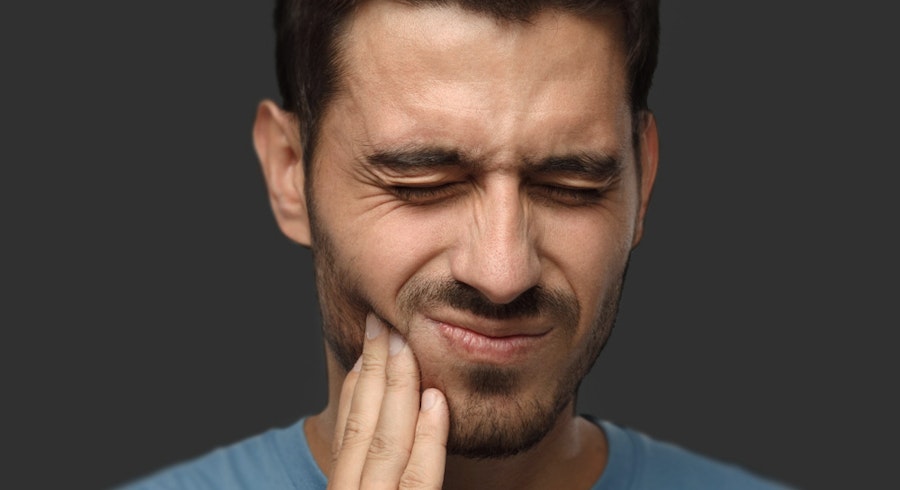
Some jaw stiffness and mild soreness are normal after a wisdom tooth extraction, but by the two-week mark, most of that discomfort should be fading. If your jaw still aches, feels tight, or hurts when you open your mouth after 14 days, the area likely needs closer attention. In many cases, it is simply slow healing or muscle strain from keeping the mouth open during surgery. Occasionally, it signals a lingering infection or an unsettled dry socket.
According to Dr. Uttkarsh Shah, an experienced Dentist in Kandivali, “Jaw pain that lingers two weeks after a wisdom tooth extraction is worth a quick check rather than a long wait. Most of the time it is a minor, treatable issue, but examining it early keeps a small problem from turning into a bigger one.”
Common Causes of Jaw Pain Two Weeks After Wisdom Tooth Removal
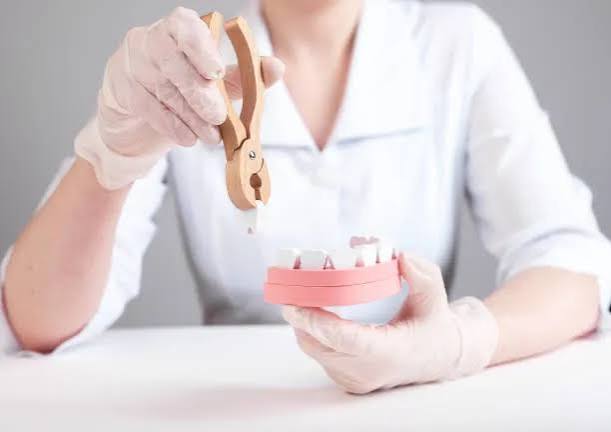
By the two-week mark, the gum tissue is usually well on its way to healing, so lingering pain often has a clear reason behind it. Wisdom teeth, especially impacted ones or those removed surgically, involve more bone and muscle than a routine extraction, so recovery can take a little longer for some people..
Common reasons the pain may still be there:
- Muscle strain: Holding the mouth open during surgery can leave the jaw muscles and joint sore for days
- Dry socket: A dislodged blood clot exposes bone and nerves, causing a deep, radiating ache
- Infection: Bacteria in the socket can keep the area tender and swollen
- Slow bone healing: Deeper or impacted extractions naturally take more time to settle
- TMJ strain: The jaw joint can feel achy after being held open for a while
- Trapped food: Debris in the healing site can cause irritation
- Nerve sensitivity: Nearby nerves may stay temporarily sensitive
What matters most is the pattern of your pain. A dull ache that is slowly easing is very different from pain that feels sharp, spreading, or getting worse, and that difference is a helpful guide for what to do next.
Symptoms That May Indicate a Post-Extraction Complication
Some of the 2 week tenderness may be part of normal healing, but if there is any of the following, it’s not normal healing and requires skilled care. These symptoms typically indicate an infection, dry socket or another problem slowing your healing.
Signs to look out for:
- Throbbing or oppressive pain: Pain that is getting worse rather than better
- Swelling that comes back and gets worse: Jaw or cheek getting puffy after it subsided
- Persistent foul smell or taste: This is usually due to infection or blockage of the teeth and gums.
- Pus or discharge: Any fluid that comes from the site of extraction.
- A possible sign that the infection is spreading is fever or feeling unwell.
- Troubled opening your mouth: if the increase in stiffness of your jaw is not getting better or is worsening
If any of these appear, they should be checked as soon as possible. Dr. Mansi Jajal Shah, who looks after patient follow-up at The Smile Connect, a Dental Clinic in Kandivali, often reassures patients that these complications are very treatable, and catching them early usually means an easier, quicker recovery.
Still dealing with jaw pain after your wisdom tooth removal? Book a consultation today for a clear diagnosis and quick relief.
Caring for Your Mouth While the Extraction Site Heals
Good aftercare has a real effect on how quickly the jaw settles, and small daily habits often help more than anything else. At this stage, the aim is simple: keep the area clean, protect the socket, and let your jaw muscles relax.
Simple steps that support healing:
- Rinse with warm salt water: A few times a day to keep the socket clean without disturbing it
- Stick to soft foods: Avoid hard, crunchy, or sticky items while you heal
- Chew on the other side: Give the healing area a break during meals
- Use warm compresses: Gentle heat helps ease jaw stiffness and soreness
- Keep up light oral hygiene: Brush carefully around the site to avoid trapping food
- Rest and stay hydrated: Both help your body heal faster
- Skip smoking and straws: The suction can dislodge the clot and slow recovery
Most people improve steadily once these habits become routine. But if you have kept up with good care and the pain still is not easing, it is usually a sign to let your dentist take a closer look
Worried your recovery is taking longer than it should? Schedule a visit at The Smile Connect and get a clear answer on what your jaw needs.
When Should You Consult to Your Dentist?
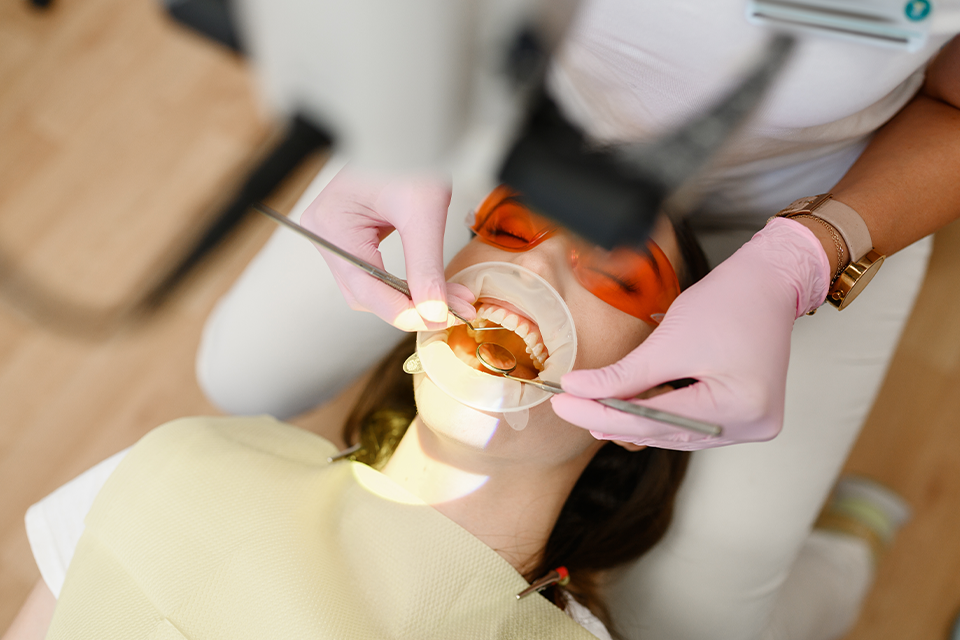
Two weeks is a fair point to expect real improvement, so pain that is holding steady or worsening is worth checking. There is no need to wait for it to become severe, an early visit is always simpler.
See your dentist if you notice:
- Pain that is not easing, or is increasing, after two weeks
- Swelling, pus, or a lasting bad taste from the site
- Fever or a general feeling of being unwell
- Ongoing trouble opening your mouth or chewing
- Numbness or tingling that has not faded
- Exposed bone or a socket that looks empty
A quick exam, sometimes with a digital X-ray, is usually enough to find the cause and begin the right treatment. Whether it means cleaning the socket, treating an infection, or simply confirming that healing is on track, an early visit keeps things simple and gets you comfortable again sooner.
FAQs
Is jaw pain normal two weeks after wisdom tooth removal?
The occurrence of mild and lasting pain after two weeks of the extraction is not unusual. However, in case pain persists after two weeks, consulting a dentist should be done.
Does dry socket occur after two weeks following teeth extraction?
In most cases, dry socket is diagnosed during the first week after the extraction procedure. However, one may continue experiencing pain for more than a week without receiving treatment.
What can you expect in your jaw after extraction of wisdom teeth?
In case the pain in your jaw continues for more than two weeks, dentist consultation should necessarily be performed since in most cases pain will go away during a week or ten days after the procedure.
Can jaw pain be an indication of infection?
Yes, the presence of fever, swelling, bad taste, and pus along with pain might be an indication of infection that must receive immediate medical care.
When should one think about visiting the dentist with the jaw pain?
If home treatment like hot compresses or soft food does not help within a two-week period, a dentist should be consulted.