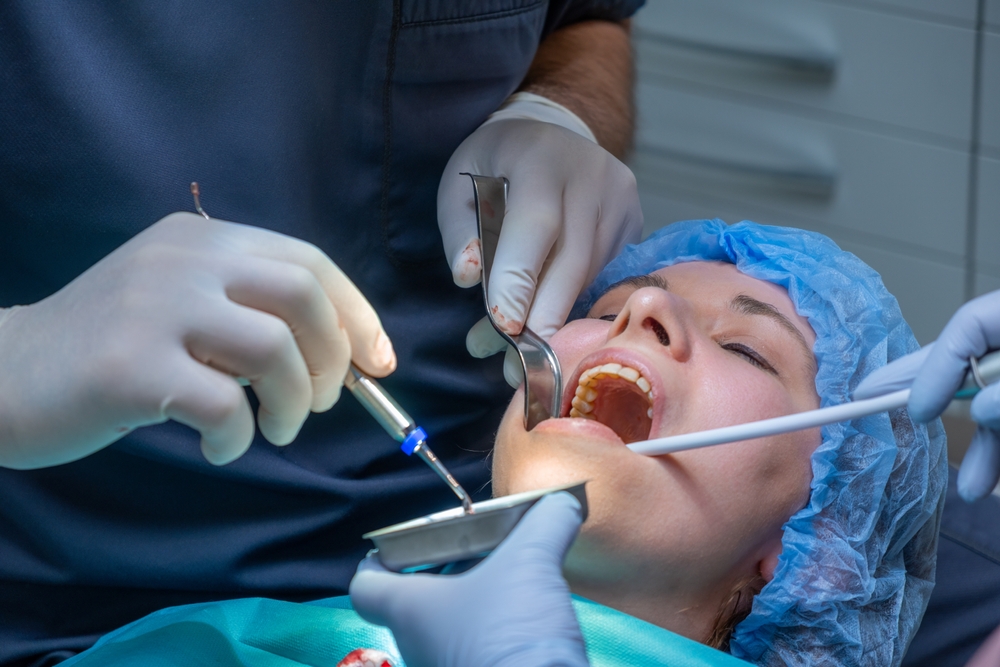
A dental bone graft is a quick procedure. But the healing that follows takes time and patience. Most patients return to the clinic for follow-ups with the same questions.
Is this swelling normal? Why does the area still feel odd after a week? When can I eat normal food again?
Healing from a bone graft is slow but predictable, and knowing what to expect at each stage makes the recovery feel a lot less worrying.
According to Dr. Uttkarsh Shah, an experienced dentist at The Smile Connect, “Most patients heal well from a bone graft. The few who run into trouble are usually the ones who ignored a small warning sign in week one or skipped their basic aftercare.”
Did you know
A dental bone graft usually takes 3 to 9 months to heal completely. The first 1 to 2 weeks are the most sensitive, with mild swelling and discomfort that gradually settle down.
What are the risks and complications during bone graft healing?
A bone graft is a routine procedure, but like any surgery, it carries a small chance of complications. Knowing these in advance helps you spot the problems early.
Common risks include:
- Infection at the graft site, which usually shows up as increasing pain or swelling after day 3
- The graft failing to integrate properly with the existing bone
- Small bone particles working their way out through the gum
- Persistent swelling that does not start reducing by the end of the first week
- Slower healing in patients who smoke, have diabetes, or take certain medications
- Mild numbness or sensitivity in the surrounding area
- Sinus issues for upper jaw grafts, especially after a sinus lift
The overall failure rate is around 5 to 10 percent, and most cases are linked to smoking or missed aftercare instructions. With proper care and timely follow-ups, complications are uncommon and usually easy to manage.
Noticed any of these signs? Book a follow-up at The Smile Connect.
Dental bone graft healing timeline: what to expect at each stage
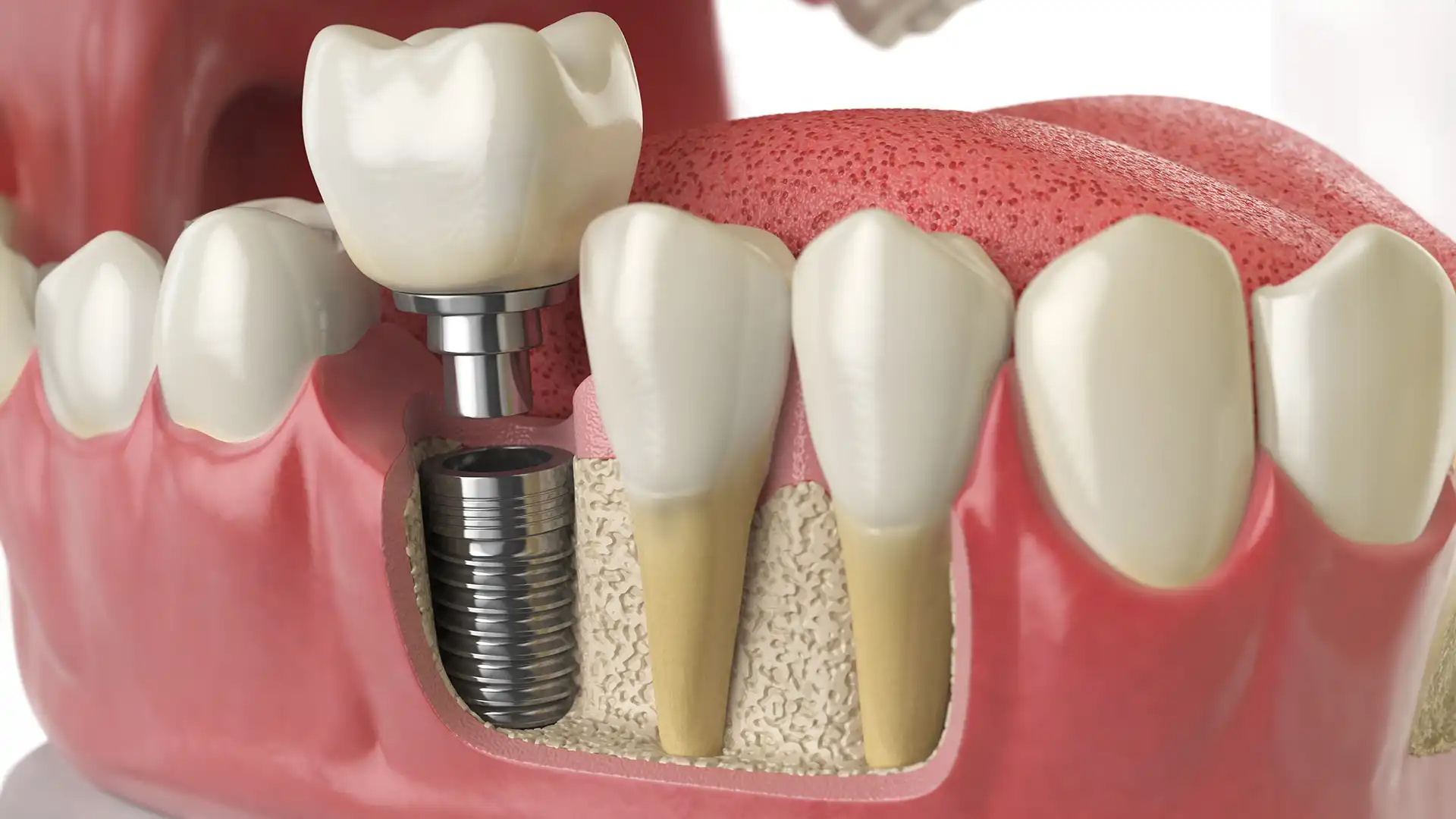
Healing happens in clear stages, and each one feels different from the last.
Day 1 to Day 3: Swelling reaches its peak and mild bleeding is normal. Pain is manageable with prescribed medication, and most patients prefer to rest at home during this stage.
Day 4 to Week 2: Swelling reduces noticeably and the gum begins to close over the graft. Most patients return to work within this stage and eat soft foods comfortably.
Week 2 to Week 6: The gum looks healthy again and any stitches dissolve or are removed. The graft underneath is still maturing, even though you may feel completely fine.
Month 2 to Month 4: New bone begins forming inside the graft. This stage is not something you can see or feel, but follow-up X-rays show clear progress.
Month 4 to Month 9: The graft fully turns into solid bone strong enough to support a dental implant. A scan confirms when you are ready for the next step.
Healing time depends on the size of the graft, your overall health, and your daily habits during recovery. A smaller graft in a healthy patient may be ready for an implant within 3 to 4 months, while larger grafts and certain health conditions can extend the timeline closer to 9 months.
What should you avoid while your bone graft is healing?
The first 2 weeks are the most important, and a few daily habits can quickly affect the graft if you are not careful. Avoid the following during recovery:
- Smoking and vaping, which is the most common cause of graft failure
- Drinking through a straw for at least the first week
- Alcohol for the first 3 days, longer if advised by your dentist
- Hard, crunchy, sticky, or spicy foods
- Very hot food or drinks for the first 1 to 2 days
- Forceful rinsing or spitting, which can dislodge the graft
- Touching the area with your tongue, fingers, or toothbrush
- Heavy lifting or intense exercise for the first 4 to 5 days
- Sleeping flat on your back for the first few nights
- Skipping any prescribed antibiotics or painkillers
These habits seem small but each one has the potential to disturb the healing graft if ignored.
What are the best practices for a smooth bone graft recovery?
Building the right habits in the first week makes the rest of the recovery noticeably easier. Here is what helps most:
- Apply a cold compress to the cheek for the first 24 hours, then switch to a warm compress
- Stick to soft and cool foods like yogurt, smoothies, mashed potatoes, dal, khichdi, and soup
- Sleep with your head slightly elevated using an extra pillow for the first few nights
- Take all prescribed medications on time, even on the days you feel fine
- Rinse gently with warm salt water 2 to 3 times a day from day 2 onwards
- Continue brushing your teeth, keeping the bristles away from the bone graft site
- Drink plenty of water and reduce caffeine for the first few days
- Rest more than usual during the first week
- Attend follow-up visits so your dentist can monitor healing through X-rays
A pre-surgery dental cleaning also helps lower the risk of post-operative infection. Most of the recovery comes down to consistency with these small daily habits.
When should you contact your dentist during recovery?
Some discomfort is part of normal healing, but certain signs indicate it is time to call your dentist rather than wait it out:
- Pain that is worse on day 4 than it was on day 2
- Swelling that continues to grow beyond the first week
- Fever, chills, or a general feeling of being unwell
- Pus, a bad taste, or an unusual smell from the graft area
- Large pieces of graft material coming out through the gum
- Bleeding that does not stop with gentle pressure
- Numbness that has not faded after several days, or unexpected discomfort in the adjacent teeth could be early signs you need a dental crown.
If any of these signs appear, it is best to get it checked early. Book a consultation at The Smile Connect.
FAQs
How long does a dental bone graft take to heal completely?
A dental bone graft usually takes 3 to 9 months to heal completely. The gum heals in the first 2 weeks, but the bone underneath takes much longer to fully form.
Is pain normal after a bone graft?
Mild pain for the first few days is normal, but pain that gets worse after day 3 is not and should be checked by your dentist.
Can I smoke after a bone graft?
No. Smoking is the leading cause of bone graft failure, and most dentists recommend avoiding it for at least 2 to 4 weeks after the procedure.
What can I eat after a dental bone graft?
Stick to soft and cool foods like yogurt, soup, dal, khichdi, smoothies, and mashed potatoes during the first few days, and avoid anything hot, hard, crunchy, or spicy.
How do I know if my bone graft is healing well?
A graft is healing well when pain and swelling reduce after day 3, there is no pus or bad smell, and the gum slowly closes over the area.