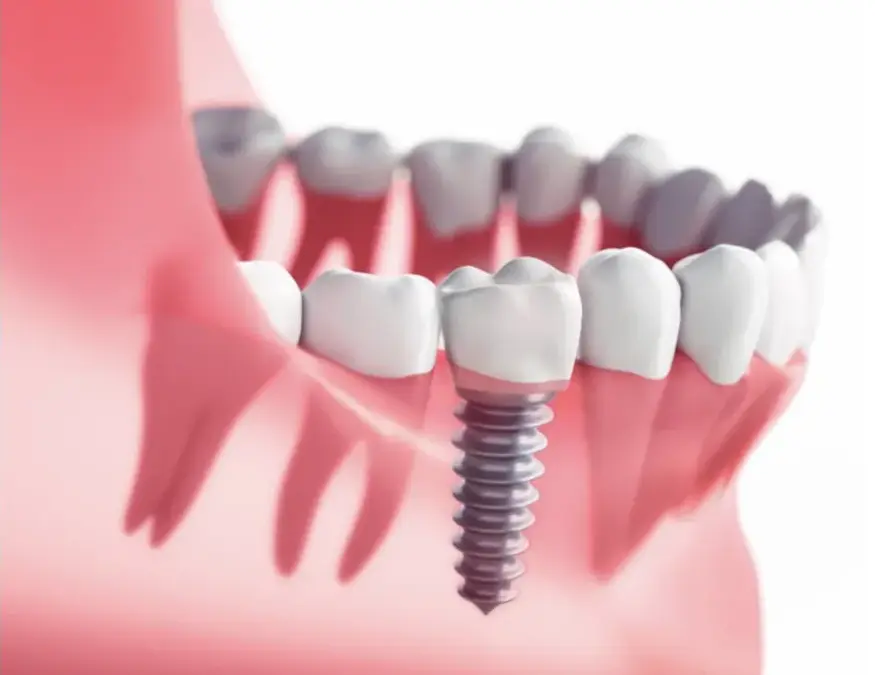
A root canal tooth needs a crown because the treatment leaves it hollow and brittle. Clearing out the infected pulp also removes the blood supply that kept the tooth flexible. What’s left is a dry shell. It looks fine, but it cracks under a hard bite. A crown caps that shell and holds it together. Back teeth, the ones doing the heavy chewing, almost always need one. Skip it, and the tooth can split right down the middle, sometimes inside a year.
According to Dr. Mansi Shah at The Smile Connect, a Dental Clinic In Kandivali, Mumbai, “A treated tooth feels normal, so people assume it’s fixed. It isn’t, not until it’s capped. The crown is what stops it cracking under the next tough bite.”
What Does a Root Canal Do to the Tooth?
To see why the crown matters, it helps to know what the canal treatment leaves behind.
- Hollowed out inside: The pulp is gone, and with it the nerve and blood vessels. The tooth no longer repairs itself or stays supple.
- Dried and brittle: Without that moisture, the shell turns stiff. Stiff teeth crack instead of flexing.
- Weakened by access: Reaching the canals means drilling through the top. That opening leaves less solid tooth to carry the load.
- Already damaged: Most teeth needing a canal were broken down by decay or a crack to begin with. There isn’t much strength left to spare.
That’s why most cases finish with a dental crown rather than a plain filling packed on top.
What Happens If You Skip the Crown?
Some people put it off once the pain is gone. The tooth feels fine, so why bother? Here’s what tends to follow.
- Vertical crack: The shell splits top to bottom under chewing. A cracked root usually can’t be saved.
- Re-infection: A filling on its own can leak over time. Bacteria seep back into the canal, and the whole treatment is undone.
- Lost tooth: A cracked, reinfected tooth often ends up pulled. Then you’re looking at an implant or bridge to fill the gap.
- Bigger bill later: A crown now costs less than a crown plus a redo, or an extraction and a replacement.
The timing matters more than many people realize. Getting a crown within a few weeks after a root canal helps protect the tooth from fractures. If you notice unusual symptoms like cheek swelling, it’s important to understand the cause and seek timely dental care.
A crown helps protect your root canal-treated tooth from damage and restores its strength. Schedule a consultation with The smile connect for personalized dental care.
Why Choose The Smile Connect Clinic?
Patients chooseThe Smile Connect to finish what a root canal starts, the crown included. Dr. Uttkarsh Shah and Dr. Mansi Shah have restored treated teeth for over a decade, matching the cap to your bite so nothing sits high. Canals, crowns, and the fit between them, all handled in one place. With digital scans and modern ceramics, the crown bonds clean and blends with the teeth around it.
Had a root canal elsewhere and never went back for the crown? Bring it in before it cracks. A capped tooth lasts years. An uncapped one is on borrowed time. Walk-ins are fine on weekday evenings, weekends run by appointment, and emergency calls get picked up the same day.
FAQs
Can I leave a root canal tooth without a crown?
Not for long. Back teeth tend to crack within months without one.
How soon after a root canal should the crown go on?
Usually within a few weeks, before the tooth has a chance to fracture.
Do front teeth always need a crown after a root canal?
Not always. They take less bite force, so a strong filling can sometimes do.
Is the crown a separate procedure from the root canal?
Yes, it’s a follow-up step once the canal is sealed and settled.