
Some cheek swelling after a root canal is completely normal and usually settles down on its own within 2 to 3 days. It happens because the tissues around the treated tooth are healing, and your body sends extra fluid to the area as part of that process. However, swelling that keeps growing, spreads beyond the cheek, or comes with fever and severe pain can point to an infection or another problem that needs quick attention from your dentist.
According to Dr. Uttkarsh Shah, Senior Dental Specialist at The Smile Connect, a dental clinic in Kandivali, Mumbai, “It is common for patients to experience mild cheek swelling after a root canal, but knowing what is normal and what requires attention is important. Understanding the cause of the swelling can help you recover comfortably and seek timely care if needed.”
Common Causes of Cheek Swelling After Root Canal
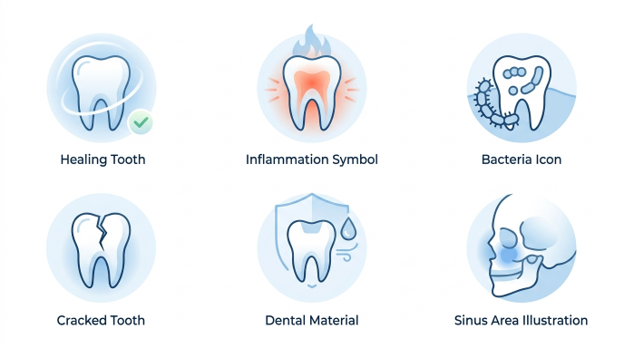
Cheek swelling after a root canal can happen for several reasons, and most of them are part of the natural healing process. Knowing the cause helps you decide whether the swelling will go away on its own or whether it needs dental attention. Some causes are very common and harmless, while others may need treatment.
Most common causes of cheek swelling:
- Normal healing response: The body sends extra fluid to the treated area, which causes mild puffiness
- Mild inflammation around the tooth: A small reaction in the gum and surrounding tissues during recovery
- Leftover infection inside the tooth: Bacteria not fully cleared can keep the area swollen
- A new infection developing: Bacteria entering through a leaky filling or temporary cap
- A reaction to the dental material used: Rare, but possible in some patients
- A cracked or fractured tooth: A hidden crack can allow bacteria to spread under the gum, and in some cases the tooth may need to be replaced with an implant later
- Sinus pressure for upper back teeth: Roots of upper teeth sit close to the sinus, sometimes causing facial puffiness
In most cases the swelling is part of the healing journey and settles down on its own, especially when proper aftercare is followed. The root canal treatment at The Smile Connect always includes a clear aftercare plan and follow-up support, so patients know exactly what is normal and what is not.
Dr. Mansi Jajal Shah, who handles patient follow-up at The Smile Connect, often reassures patients that mild post-treatment swelling is rarely something to fear. The key is paying attention to how the swelling behaves over the first 3 days, as that usually tells you whether it is a normal reaction or something that needs a closer look.
What Symptoms Mean the Swelling Is Serious?
The swelling becomes serious when it keeps growing instead of going down, or when it comes along with other symptoms that point to an infection. Mild puffiness on its own is usually harmless, but the combination of swelling and certain warning signs means it is time to stop waiting and see your dentist.
Warning signs you should not ignore:
- The swelling keeps growing even after 3 days
- The cheek feels hot, hard, or very tender to touch
- The swelling spreads towards the eye, jaw, or neck
- You develop fever, chills, or feel generally unwell
- Severe pain that is not relieved by regular painkillers
- Pus, a bad taste, or a bad smell coming from the treated tooth
- Difficulty opening your mouth, swallowing, or breathing
- Numbness or tingling in the cheek, lip, or chin
These symptoms usually point to an active infection that has spread beyond the tooth, and they need quick dental care. Waiting it out at this stage can make the problem grow and lead to more involved treatment later, while a single early visit usually solves the issue comfortably.
How to Manage Swelling
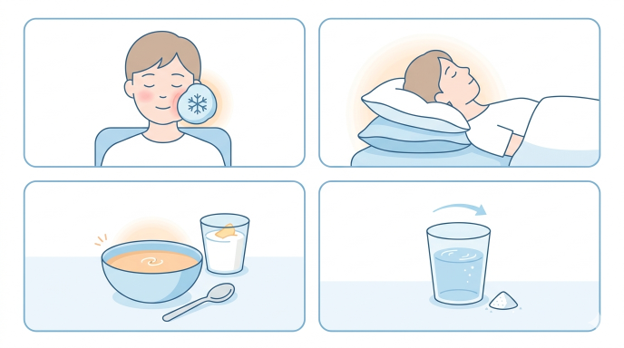
Managing cheek swelling after a root canal is mostly about simple home care during the first 2 to 3 days, along with following your dentist’s instructions. The right steps can reduce discomfort, control the swelling, and speed up healing without needing extra treatment.
Easy home care steps that actually help:
- Apply a cold compress to the cheek for 15 minutes at a time during the first 24 hours
- Switch to a warm compress after 24 hours to help the area heal faster
- Sleep with your head slightly raised using an extra pillow
- Eat soft and lukewarm foods like khichdi, soup, yogurt, or mashed potatoes
- Avoid hot drinks, hard foods, and chewing from the treated side
- Take prescribed antibiotics and painkillers exactly as advised
- Rinse gently with warm salt water 2 to 3 times a day after the first day
- Avoid smoking and alcohol as both slow down healing
Along with these steps, keeping the whole mouth clean speeds up recovery, and routine dental cleaning visits before any major treatment also lower the chances of post-procedure swelling. If your dentist has placed a temporary filling, be careful while chewing so it stays intact, and book the final dental crown on time to protect the treated tooth for the long term.
Have swelling that is not going down or worrying you? Book a quick check-up with Dr. Uttkarsh Shah today and get clear answers in a single visit.
When To Consult Doctor
You should consult a dentist any time your post-root canal symptoms do not match what you were told to expect, or when something new appears that was not there earlier. Mild swelling and slight discomfort in the first 2 to 3 days are usually fine, but anything that worsens, lingers too long, or comes with extra symptoms is worth getting checked.
Clear signs it is time to see your dentist:
- Swelling that does not start reducing after 3 days
- Pain that gets worse instead of slowly improving
- Fever, chills, or feeling generally unwell
- Pus, bleeding, or a bad taste near the treated tooth
- Trouble opening the mouth, swallowing, or chewing
- Numbness or tingling around the cheek or jaw
- Swelling spreading to the eye, jaw, or neck area
- A loose or fallen-out temporary filling or crown
An early visit is always better than a delayed one, because most post-root canal issues are simple to manage when caught at the right time. At The Smile Connect, Dr. Uttkarsh Shah and Dr. Mansi Jajal Shah examine the area, identify the exact cause of the swelling, and give you a clear plan in plain language. If anything about your healing feels off, this one visit can give you both relief and peace of mind.
Not sure if your swelling is normal or needs treatment? Schedule a consultation at The Smile Connect and get expert advice without any pressure to go ahead immediately.
FAQs
Is cheek swelling normal after a root canal?
Yes, mild cheek swelling is normal after a root canal and usually goes down within 2 to 3 days on its own.
How long does swelling last after a root canal?
Swelling typically lasts between 2 and 5 days, with most patients feeling completely normal within a week.
When should I worry about swelling after a root canal?
You should worry if the swelling keeps growing after 3 days, spreads to other areas, or comes with fever and severe pain.
Can I use ice to reduce the swelling?
Yes, applying a cold compress for 15 minutes at a time during the first 24 hours helps reduce swelling and discomfort.
Does swelling mean my root canal failed?
No, mild swelling does not mean the root ca
incomplete