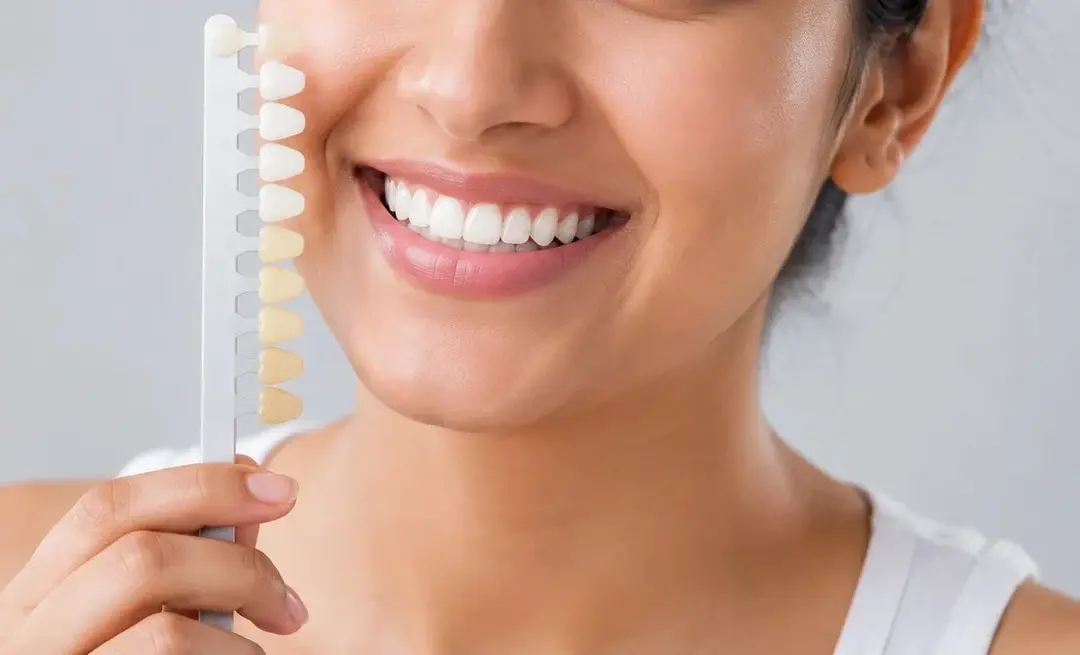
Teeth whitening is safe when it’s done under professional guidance, using peroxide gels at controlled strengths that lift stains without touching the enamel structure itself. Sensitivity for a day or two is the most common side effect, and honestly, it usually just fades on its own. Results from an in-office session run six months to two years typically, depending on diet, smoking, and whether someone actually keeps up with touch-ups.
According to Dr. Uttkarsh Shah at The Smile Connect, a Dental Clinic In Kandivali, “People assume whitening wears the enamel down. It doesn’t, not when it’s done right. What actually kills results fast is coffee, red wine, and cigarettes sneaking back in within a couple weeks of the appointment.”
Is Teeth Whitening Safe?
Safety here comes down to who’s controlling the process and how, not whether whitening is risky by nature.
- Professional supervision counts for more than people realize, a dentist controlling gel strength and exposure time keeps both enamel and gums protected the whole way through.
- Temporary sensitivity. mild tingling or sharpness for a day or two is normal and expected, and it settles on its own without needing anything extra.
- Enamel stays intact in a properly done session, since the gel’s targeting stain molecules sitting in the enamel’s surface, not the structure underneath it.
- DIY kits carry more risk, mostly because nobody’s watching gel strength or exposure time, and that’s usually where gum irritation or patchy results creep in.
Fillings, crowns, and cavities are worth checking before whitening starts, since gel won’t touch the shade of restorations already in someone’s mouth. A dental cleaning beforehand tends to make the whole process land more evenly.
How Long Do Whitening Results Last?
What happens after the treatment matters just as much as the treatment itself, maybe more.
- In-office whitening usually holds for one to two years with decent care, largely because the stronger gel penetrates deeper and the results end up more stable.
- Take-home kits. dentist-supervised trays last around six months to a year, shorter than in-office, still well ahead of anything bought off a shelf.
- Diet matters a lot here, coffee, tea, red wine, dark sauces, they all stain teeth back over time, and cutting down stretches results out noticeably.
- Touch-ups help stretch it further, and pairing whitening with a dental crown swap for older stained restorations keeps the whole smile looking consistent long term.
Smoking is probably the fastest way to undo whitening, sometimes in a matter of weeks. Discoloration that just won’t budge with whitening might need something else entirely, worth a look in this related read on tooth bonding for discolored teeth.
Tired of results that fade faster than they should?
Why Choose The Smile Connect Clinic?
Patients choose The Smile Connect when drugstore strips barely moved the needle and they want results that actually hold. Dr. Uttkarsh Shah, a prosthodontist and implantologist, works alongside Dr. Mansi Shah to match shade against existing crowns and fillings before treatment starts, so nothing looks mismatched later. Cleaning, whitening, and restorative touch-ups, all under one roof, which keeps results consistent instead of patchy.
Tired of whitening that fades within weeks? It’s worth doing it properly the first time. Walk-ins are fine on weekday evenings, weekends run by appointment, and emergency calls get picked up the same day.
FAQs
Does teeth whitening damage enamel?
No, professional whitening targets surface stains without harming enamel structure.
Can whitening work on crowns or veneers?
No, whitening gel doesn’t change the shade of existing dental restorations.
How soon can I eat after whitening?
Avoid dark foods and drinks for about 48 hours after treatment.
Is teeth whitening painful?
No, though mild, temporary sensitivity is common for a day or two.
Disclaimer: This article is for general informational purposes only and does not substitute professional dental advice, diagnosis, or treatment. Please consult a qualified dentist for concerns specific to your condition.