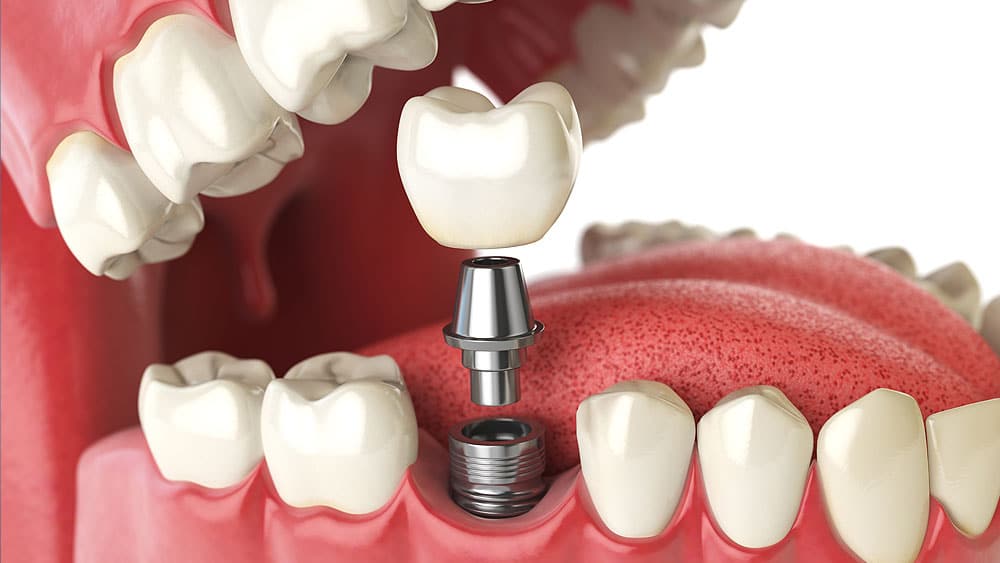
Yes, you can get dental implants even if you’ve lost jawbone. An implant works like an artificial tooth root, so it needs a solid, secure foundation in the bone to hold steady. When the jaw has thinned out, that structure gets rebuilt first, usually with a bone graft, and the implant goes in once the base is firm. The graft heals over a few months. Severe loss takes more planning, but modern grafting techniques mean it rarely rules implants out for good. Plenty of people told they “don’t have enough bone” still qualify once the jaw is built back up.
According to Dr. Uttkarsh Shah at The Smile Connect, a Dental Clinic In Kandivali, Mumbai, “Bone loss isn’t a dead end. We rebuild the base first, then place the implant. The graft is what turns a ‘no’ into a ‘not yet.'”
Why Does Bone Loss Happen in the First Place?
Bone needs a tooth root to stay healthy. Take the tooth away, and the jaw starts to shrink under the gap.
- Missing teeth: Once a tooth is gone, the bone that held it has no job left. It slowly resorbs, sometimes within months.
- Gum disease: Advanced gum infection eats into the bone supporting the teeth. It’s the most common cause of all.
- Long-term dentures: Dentures rest on the gum, not the bone. With no root to stimulate it, the ridge underneath wears down over years.
- Injury or old infection: A knock to the jaw or a long-gone abscess can leave a thin patch of bone behind.
An implant assessment starts with a 3D scan to measure exactly how much bone is left, and whether a dental implant can go straight in or needs a graft first.
How Dentists Place Implants When Bone Is Low?
Low bone doesn’t mean no implant. It usually means one extra step, or a different technique.
- Bone graft: Granules are packed into the thin area to rebuild volume. It heals over three to six months, then the implant follows.
- Sinus lift: For upper back teeth, the sinus floor is gently raised and bone added underneath to make room.
- Shorter or angled implants: Sometimes a smaller or tilted implant finds solid bone on its own, with no graft needed.
- All-on-4: A full arch can rest on four implants set where the bone is densest, often skipping grafts altogether.
The right route depends on your scan, not a rule of thumb. And if the bone loss traces back to a tooth you lost to a crack or infection, our note on why a root canal tooth needs a crown explains how to hold on to the next one.
Advanced dental techniques can help restore your smile even with bone loss. Visit The smile connect for an expert evaluation and treatment plan.
Why Choose The Smile Connect Clinic?
Patients choose The Smile Connect when they’ve been told their jaw is too thin for implants and want a second look. Dr. Uttkarsh Shah, a prosthodontist and implantologist, plans each case off a 3D scan, so grafts and implants are mapped before anything begins. Grafting, sinus lifts, and implant placement, all under one roof, which keeps the timeline tight and the handovers few.
Turned away elsewhere over bone loss? It’s worth a scan before you settle for dentures. Walk-ins are fine on weekday evenings, weekends run by appointment, and emergency calls get picked up the same day.
FAQs
Can I get an implant if I was told I have no bone?
Often yes. A bone graft rebuilds the area first, then the implant is placed.
How long does a bone graft take to heal before an implant?
Usually three to six months, depending on the size of the graft.
Is bone grafting painful?
No, it’s done under local anaesthesia, with mild soreness for a few days after.
Will my body reject a bone graft?
Rejection is rare. The graft works as a scaffold your own bone grows into.
References
- Dental Bone Graft –Cleveland Clinic
- Dental Implants – Cleveland Clinic