
No, it is not too late. If you lost a tooth 10 years ago and never got it replaced, a dental implant is still very much possible. Many patients assume they missed their chance, but that is rarely the case. The tooth area may have changed over the years, and your dentist might need to do some extra preparation before placing the implant, but the end result is the same as a regular implant, a new tooth that looks, feels, and works like a natural one.
At The Smile Connect in Kandivali, Dr. Uttkarsh Shah, a senior dental implant specialist with over 10 years of experience, treats patients every week who waited years before deciding to replace a missing tooth. This blog answers the real questions you have before walking into a clinic.
Can You Get a Dental Implant After 10 Years?
Yes, you can get a dental implant even 10 years after your tooth was removed, and in most cases the treatment works just as well as it would have years ago. The time gap itself is not the problem, what matters is the current condition of the area where your tooth used to be and the health of your nearby teeth and gums.
When a tooth has been missing for many years, the area under the gum slowly becomes thinner because it is not being used anymore. Your dentist will check this area with a simple scan, and based on what they see, they will suggest the right plan for your case.
For most long-delay patients, one of two things happens:
- The area is still healthy enough, and the implant can be placed directly
- The area has become thin, and some preparation is needed before the implant goes in
Either way, getting a new tooth is absolutely possible, and the specialists at The Smile Connect handle both types of cases regularly as part of their dental implant treatments.
What Happens If You Delay Dental Implant Placement?
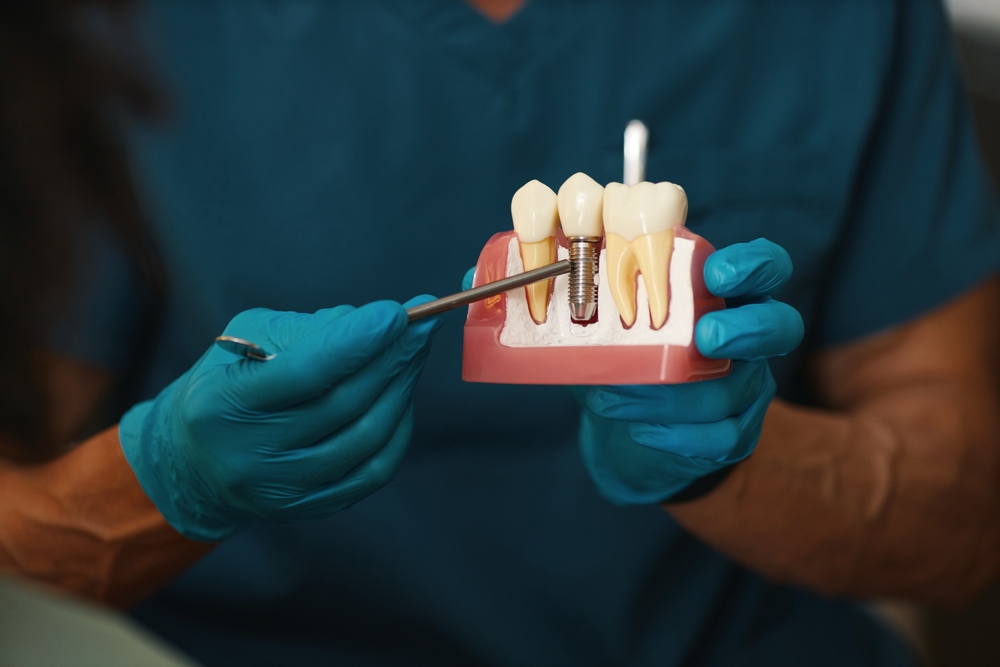
Delaying a dental implant for years does not stop you from getting one, but it does slowly make the treatment more detailed. Your jaw stays strong because your teeth press on it every time you chew, and when a tooth is missing and not replaced, that part of the jaw stops getting any pressure, so it slowly becomes thinner over time.
What usually happens over the years:
- In the first year the area starts becoming thinner the fastest
- Between 2 and 5 years the change becomes more noticeable
- By 10 years the area is often thinner and lower than before
- Nearby teeth may also start to shift into the empty space
- The teeth in the opposite jaw can slowly move downward into the gap
This is not damage, it is a natural change, and it can be managed well with the right treatment plan. Dr. Mansi Jajal Shah, who handles patient care and treatment planning at The Smile Connect, often sees patients who feel anxious about these changes, and she reassures them that none of these issues stop an implant from being placed, they simply change the steps involved. With proper planning, even patients who waited 10 or 15 years walk out with a fixed, natural-looking new tooth.
Ready to find out if a dental implant is right for you? Book your consultation today and receive a clear, personalized treatment plan in a single visit.
How to Prepare for a Delayed Dental Implant
Preparing for a delayed dental implant is simple and mostly focused on getting the mouth ready before the procedure. The dentist will first examine your mouth and take a scan to check the condition of the area where your tooth is missing, and based on that, a step-by-step plan is made just for you.
Simple steps you can follow before your treatment:
- Book a consultation and get a full mouth check-up
- Get the area scanned to check the tooth site
- Treat any gum issues or nearby cavities first
- Control any health conditions like diabetes or high blood pressure
- Avoid smoking before and after the procedure for faster healing
- Keep brushing and flossing regularly to maintain a clean mouth
If some extra preparation of the tooth area is needed, it is done under local anesthesia and is much simpler than most patients expect. Some patients can also combine this step with the implant placement in the same visit, and treatments like professional dental cleaning are usually recommended before surgery to keep the area healthy and infection-free.
Success Rates of Dental Implants Placed Years After Extraction
The success rate of dental implants placed years after a tooth was removed is very close to the success rate of implants placed soon after extraction, and most studies show a success rate of around 94 to 97 percent even for delayed cases. The gap is small because what really decides the success of an implant is not the time delay, it is the overall health and care taken before and after the procedure.
Factors that affect long-term success:
- Overall health, including diabetes and heart conditions
- Smoking habits before and after the procedure
- Gum health and oral hygiene
- Regular dental check-ups after the implant is placed
- Following the dentist’s aftercare instructions
A patient who waited 10 years but keeps good oral habits can expect a result as strong and long-lasting as someone who got the implant right after extraction, and in many cases the new tooth can last 15 to 25 years, often a lifetime.
Already have an implant or planning one soon? Schedule a check-up to keep your smile healthy and long-lasting.
Post-Implant Care and Maintenance for Long-Term Success
Taking care of a dental implant is much simpler than most patients expect, and it is very similar to caring for a natural tooth. Good daily habits and regular dental visits are usually enough to keep the implant strong and healthy for decades.
Daily habits that keep your implant healthy:
- Brush twice a day with a soft-bristled toothbrush
- Floss daily around the implant to keep the gum clean
- Use a gentle mouthwash recommended by your dentist
- Avoid biting very hard foods like ice or hard candy
- Stop smoking, as it slows healing and affects the implant long-term
- Visit your dentist every 6 months for a check-up and cleaning
Along with these habits, keeping up with routine treatments like dental cleaning and a yearly dental crown check helps catch any small issue early, before it becomes a problem. With this basic care, a dental implant placed years after extraction can easily last a lifetime.
When Should You Consult a Doctor?
You should consult a dental implant specialist as soon as you decide you want to replace a missing tooth, even if the tooth has been missing for many years. Waiting longer does not make treatment impossible, but it does add extra steps, so an earlier consultation usually means a simpler treatment plan.
Signs it is time to book a consultation:
- You have been missing one or more teeth for several years
- You are finding it hard to chew from one side
- Nearby teeth are starting to shift or tilt into the empty space
- You avoid smiling in photos because of the gap
- You have been told before that you need a bone-level check
- You want a fixed tooth instead of a removable denture
A consultation is the only way to know exactly what is possible in your case, and it usually takes less than 30 minutes. At The Smile Connect, Dr. Uttkarsh Shah and Dr. Mansi Jajal Shah examine the area, review a scan, and give you a clear plan in plain language, without any pressure to go ahead immediately. If you have been living with a missing tooth for years, this single visit can give you the answers you have been looking for.