
Delayed Dental Implants and Restored Molar Function After Fracture
Quick Summary
Surgeon
Dr. Uttkarsh Shah, MDS Prosthodontist & Implantologist, The Smile Connect, Kandivali
Condition
Grossly decayed and fractured crown on previously root canal-treated, uncrowned molars (46 & 47)
Procedure
Extraction followed by delayed placement of Osstem dental implants with screw-retained DMLS PFM crowns
Technique
CBCT-guided extraction, delayed implant placement (5×10mm, bilateral), second-stage surgery at 3 months
Outcome
Successful osseointegration, function restored with screw-retained crowns, good long-term prognosis
Complications
None reported
Patient Profile
Age
65 years
Gender
Male
Presenting Complaint
Fractured, grossly decayed crown on the lower right first and second molars
Diagnosis
Grossly carious teeth (46 & 47), unrestorable
Previous Treatment
Root canal treatment on both teeth, never crowned
Date of Procedure
2026
Outcome
Good — full function restored with implant-supported crowns
The Problem
The patient presented with a grossly decayed and fractured crown involving the lower right first and second molars (46 & 47). Both had been root canal-treated years earlier but never crowned — and an uncrowned root canal-treated tooth loses much of its structural strength over time, becoming prone to fracture under everyday chewing.
At 65, this meant reduced chewing efficiency, sensitivity around the fractured areas, and prolonged discomfort. A detailed evaluation by Dr. Uttkarsh Shah helped determine whether repeated restorative attempts or extraction was the more predictable path forward, given how important stable chewing function is at this stage of life.
Consultation & Treatment Plan
What Was Assessed During Consultation
Extent of coronal and root fracture in both 46 and 47
Bone quality and volume available for future implant placement
Condition of surrounding soft tissue and adjacent teeth
Patient's medical fitness for extraction and implant surgery
A CBCT scan was taken to accurately evaluate the degree of fracture in both molars. The three-dimensional imaging confirmed that the fracture lines extended well below the gum margin, ruling out any possibility of restoring the teeth with fillings or crowns alone.
Why This Treatment Plan Was Chosen
Based on the CBCT findings, the clinical decision was to proceed with extraction of both molars rather than attempt further restorative repair, which would have offered only a short-term, unpredictable outcome. Following extraction, a tooth extraction healing period was allowed before implant placement, rather than placing implants immediately. This delayed approach gives the extraction sockets time to heal and lets the surgical team reassess bone quality before committing to implant positioning — a more predictable route for a patient with two adjacent molars requiring replacement.
Osstem implants measuring 5×10mm were selected for both the 46 and 47 sites, matched to the available bone width and height at each position. Once healing was confirmed, dental implants were placed to recreate a stable, long-term foundation for the missing molars, rather than relying on a removable or tooth-supported alternative.
Procedure Details
- CBCT scan taken and fracture pattern in 46 & 47 evaluated
- Clinical decision made to extract both non-restorable molars
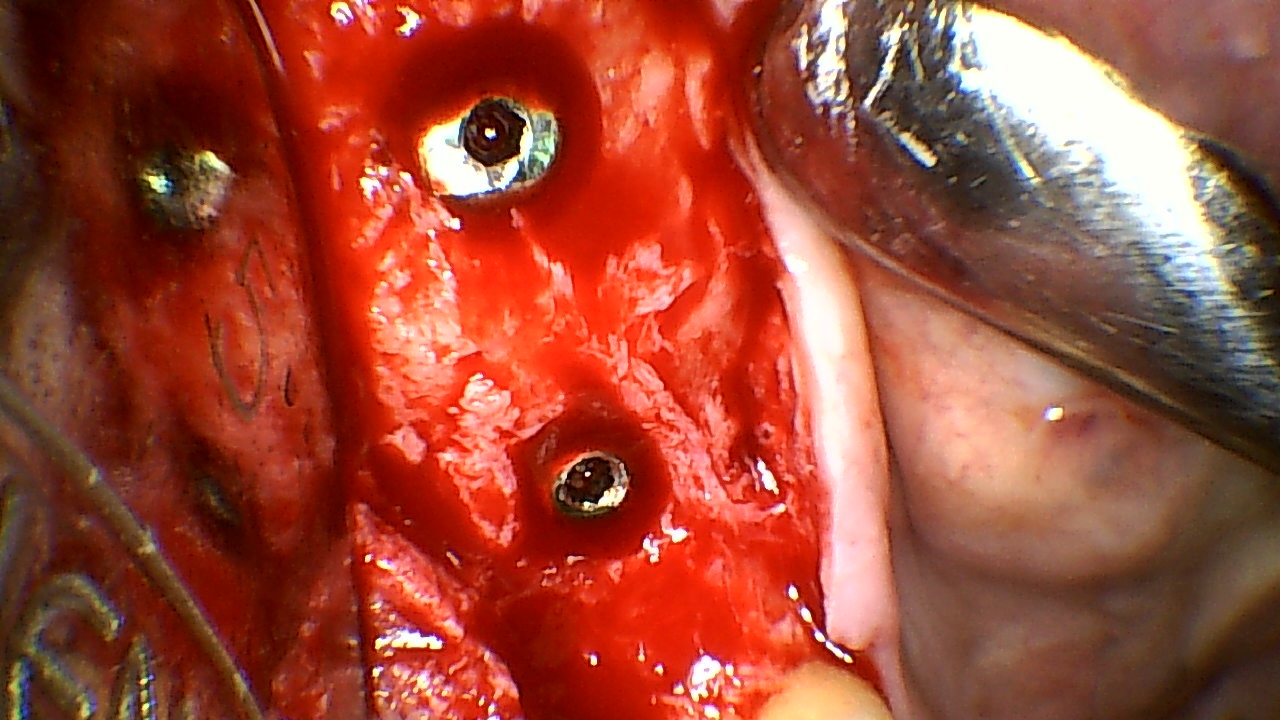
- Extraction of teeth 46 and 47 performed
- Healing period observed prior to implant placement (delayed protocol)
- Osstem implants, 5×10mm, placed at both 46 and 47 sites
- Healing period of approximately three months allowed for osseointegration
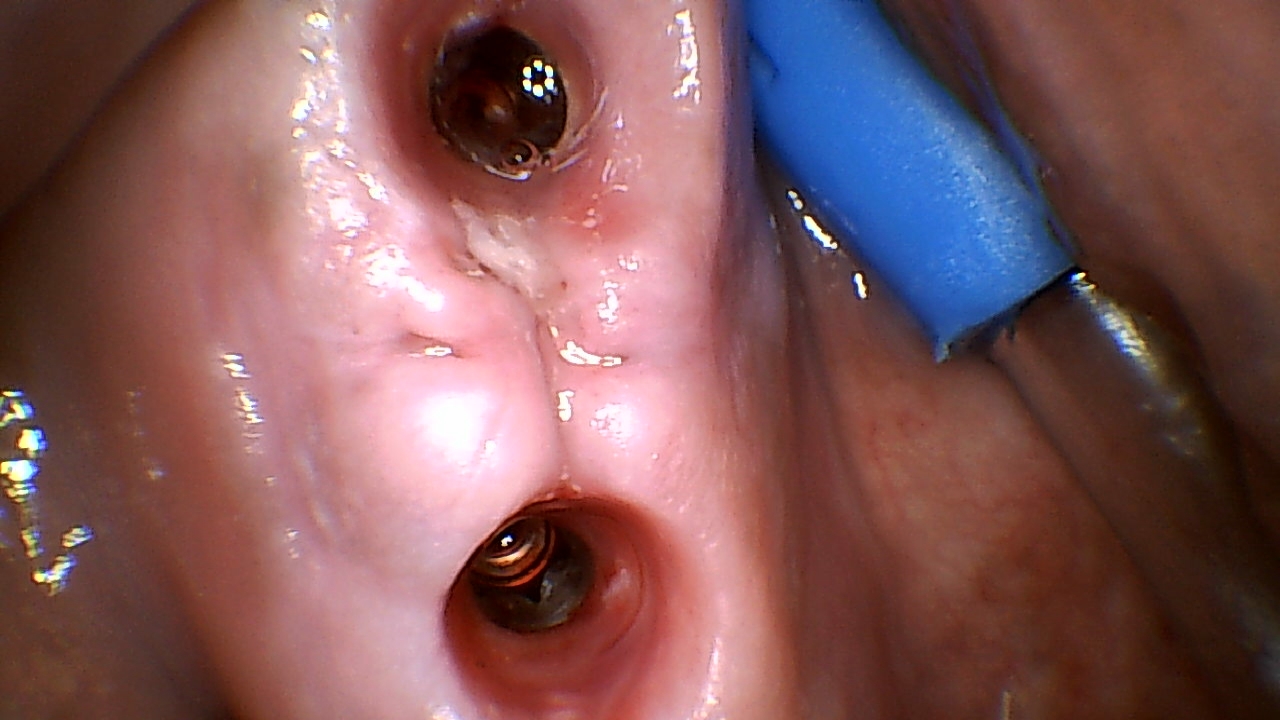
- Second-stage surgery performed to expose the implants
- Digital scan taken seven days after second-stage surgery using an Osstem scan body
- Jig trial completed to verify fit and passive seating
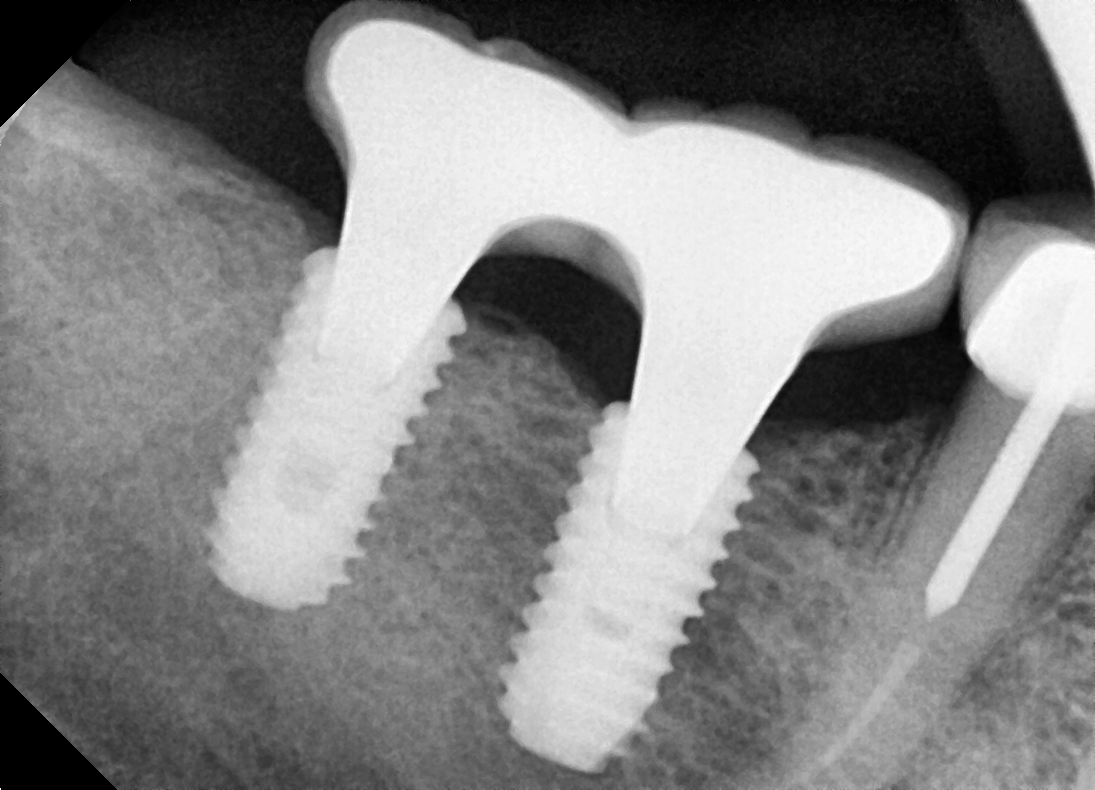
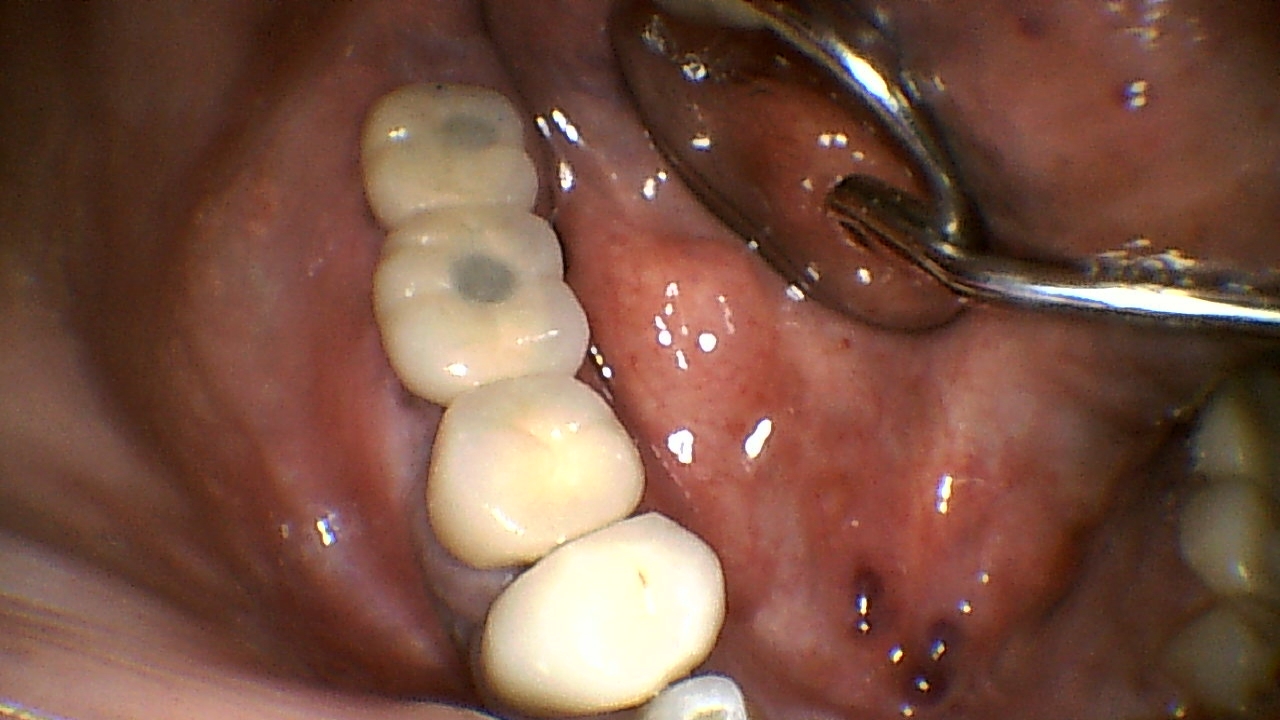
- Screw-retained DMLS PFM crowns delivered on both 46 and 47
Procedure facts:
- Implant system: Osstem, 5×10mm (bilateral, 46 & 47)
- Approach: Extraction followed by delayed implant placement
- Restoration: Screw-retained DMLS PFM crown
- Second-stage surgery: Performed after 3 months of healing
- Complications: None
Post-Operative Results
Healing at three months was satisfactory, allowing second-stage surgery to proceed. Seven days later, a digital scan using an Osstem scan body captured precise implant positioning, and a jig trial confirmed accurate fit before the final screw-retained DMLS PFM crowns were delivered on 46 and 47.
Outcomes at a glance:
- Osseointegration: Successful, confirmed at second-stage surgery
- Restoration fit: Verified through jig trial before final delivery
- Function: Chewing function restored bilaterally on the lower right molars
- Complications: None reported
- Long-term prognosis: Good
Patient Feedback
“An exceptional dental experience! Highly recommended. I recently completed a major dental treatment plan at The Smile Connect, which included two dental implants, multiple crowns, and several fillings. Finding a dental clinic you can fully trust with complex procedures can be stressful, but the entire team at The Smile Connect made the journey completely seamless and comfortable. From the very first consultation, the clinic maintained the highest standards of hygiene, professionalism, and patient care. The procedures were handled with incredible precision, minimal discomfort, and meticulous attention to detail. I want to extend a special thanks to Dr. Uttkarsh Shah and Dr. Mansi Shah for their outstanding expertise, patience, and warmth. Their skillful hands and reassuring approach put me at ease throughout every step of the process. They took the time to explain every detail, ensuring I felt informed and confident. If you are looking for a reliable, state-of-the-art dental clinic with compassionate and expert doctors, look no further than The Smile Connect. Thank you for giving me my confident smile back!”
Profile: Male · 65 years
Procedure: Delayed Dental Implants with Screw-Retained PFM Crowns · The Smile Connect, Kandivali
Post-Procedure Care & Recovery
Instructions given:
- Soft diet during initial healing
- Prescribed medication as directed
- Gentle oral hygiene around surgical sites
- Scheduled follow-ups at 3 months and second-stage
- Scan and jig trial before crown delivery
Recovery timeline:
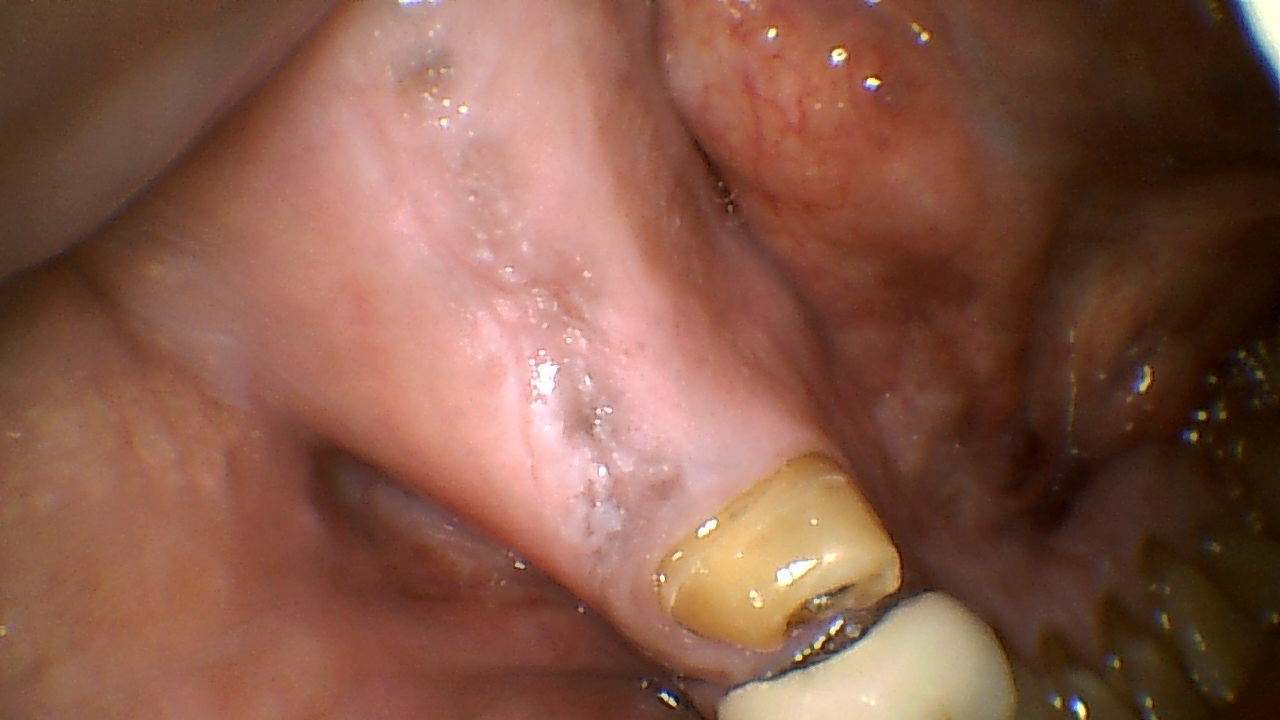
- Weeks 1–2 (post-extraction): Initial socket healing, mild discomfort managed. Patients recovering from a molar extraction often have similar concerns to those covered in this tooth extraction recovery guide.
- Month 3: Implant sites assessed, ready for second-stage surgery
- Day 7 post second-stage: Digital scan and jig trial completed
- Final visit: Screw-retained crowns delivered on 46 & 47
FAQ's
Why were the molars extracted instead of re-treated?
CBCT imaging showed fractures extending below the gum line, making both teeth structurally unrestorable. Extraction and implant placement offered a more predictable outcome.
What is delayed implant placement?
It means implants are placed after the extraction sites heal, rather than the same day, allowing bone and tissue to stabilise first.
How long did the full process take?
Roughly three months of healing before second-stage surgery, followed by a short scanning and trial phase before the final crown.
Why choose Dr. Uttkarsh Shah for implants in Kandivali?
He is an MDS Prosthodontist and Implantologist with over ten years of experience in implant and full-mouth rehabilitation cases.
Why a screw-retained crown?
It can be removed and re-accessed if maintenance is ever needed, alongside a durable, natural-looking finish.
Ready to Begin Your Journey?
Living with a fractured or uncrowned root canal-treated tooth doesn’t have to mean losing its function permanently. Dr. Uttkarsh Shah and the team at The Smile Connect are available to assess your situation and guide you through the right options.
Dr. Uttkarsh Shah | MDS Prosthodontist & Implantologist
The Smile Connect – Advanced Dentistry and Implant Center | Kandivali West, Mumbai
Patient feedback published with consent. Patient identity withheld per confidentiality guidelines.